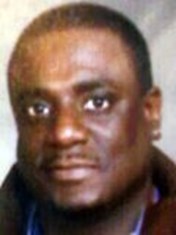
Andrew Martin, a 22-year-old White male from Leeds in the Birmingham area, died on February 8, 2013, after a shooting that left him slumped inside his 2001 Honda Prelude at the intersection of 41st Street North and Messer-Airport Highway. In the late afternoon, a citizen noticed something was wrong and alerted a South Precinct Task Force officer, who found Martin unresponsive at the traffic light. Birmingham Fire and Rescue rushed him to UAB Hospital, but he was pronounced dead shortly after arriving. What first looked like a medical emergency gave way to something darker when hospital staff discovered he had been shot.
Investigators said Martin was known to frequent the Avondale Housing Community, but the exact place where he was shot was not immediately known. That uncertainty cast an eerie shadow over the case from the start. Police were left trying to piece together how he ended up wounded in his car and why he was found where he was, sitting at a busy intersection as traffic moved around him.
As the case aged, detectives publicly described it as unsolved and shared more about what they believed may have happened. They said they suspected Martin had gone to meet someone in an alley and believed that person was responsible for his death. That detail suggested a planned encounter rather than a random act, and it pointed the investigation toward someone Martin may have known or trusted enough to meet in a secluded place. Even with that theory, the identity of the shooter never appears to have been publicly established.
There do not appear to have been any arrests or charges announced in connection with Martin’s killing. Contemporary police reporting said there were no arrests at the time of the homicide, and later coverage continued to describe the case as unsolved. Public case listings on Birmingham homicides have likewise continued to note no arrest in his case. So the story that remains is not one of a suspect brought into court, but of a young man whose last moments ended in confusion and violence, and a homicide that, at least from the public record available online, has never been closed.