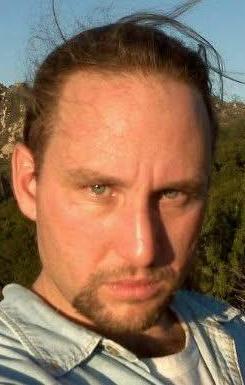
On Monday, October 4, 2004, forty-one-year-old Robert David Weisman lost his life in Los Angeles, California. Little about the specific sequence of events leading to his death was made public, leaving the exact moments of his final hours largely shrouded in silence. The Los Angeles County Department of Medical Examiner-Coroner examined his remains and officially classified the death as a homicide, establishing that he had died by the deliberate actions of another individual. However, the exact cause of death was not publicly released, categorized in regional records only as other.
The year 2004 marked a turbulent chapter in the history of Los Angeles violent crime. Throughout that year, the county recorded hundreds of homicides, stretching law enforcement detectives and forensic investigators across sprawling neighborhoods and countless crime scenes. Within such a heavy caseload, homicides that did not involve high-profile gunfire or immediate public witness accounts frequently struggled to garner sustained attention. For Weisman, a White male whose fatal encounter quietly entered official tallies, the broader narrative of what happened remained largely invisible to the public sphere.
Investigators faced severe hurdles common to cases where deaths are listed under non-traditional or less common mechanisms. When physical findings do not point to straightforward street violence or familiar firearms, detectives must delve deeply into toxicology reports, forensic pathology findings, and the victim's immediate circle. Detectives typically review financial paper trails, cell phone communications, personal relationships, and last-known whereabouts in an attempt to reconstruct the final days of the victim's life. Despite these efforts by investigators assigned to the jurisdiction, no publicly named suspect emerged from the inquiries.
Over the years, no announcements of an arrest, charges filed, or court proceedings have surfaced in connection with the killing. Without surveillance footage, public pleas from witnesses, or forensic breakthroughs, the case quietly stalled on the shelves of unsolved homicides. In major metropolitan areas, cold cases often depend on a conscience-stricken acquaintance coming forward decades later, or unexpected new leads developed during routine re-evaluations by cold-case homicide units.
More than two decades after his October 2004 death, the homicide of Robert David Weisman remains an entirely open and unsolved mystery. The questions surrounding where he was found, who he encountered that Monday, and why violence claimed his life remain unanswered. Authorities continue to maintain unsolved case files from that era in the hope that anyone possessing knowledge about the circumstances of his death will step forward and finally provide the missing details needed to bring resolution.