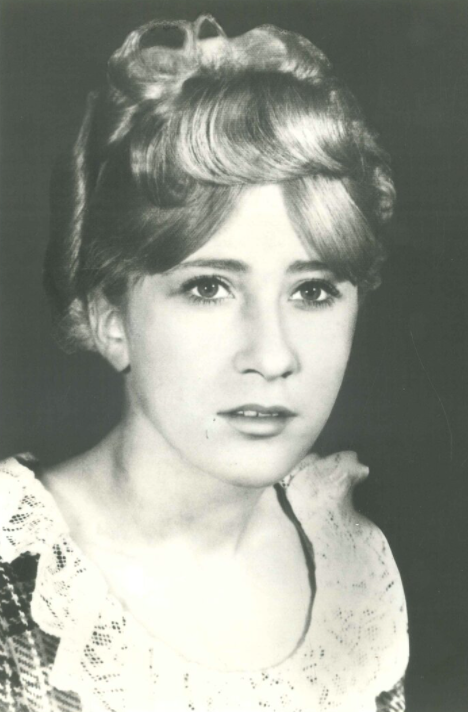
On April 12, 2012, forty-nine-year-old Josephine Josie Garcia was pronounced dead in Los Angeles, California. Her death was reported to the Los Angeles County Department of Medical Examiner-Coroner, where medical examiners subsequently evaluated the circumstances surrounding her passing and determined that the manner of death was a homicide. Garcia, a Hispanic woman who was just weeks shy of her milestone fiftieth year, became one of hundreds of lives cut short by violence in Southern California that year.
Details surrounding the specific physical location where Garcia was discovered, the exact hour authorities were dispatched, and the immediate scene encountered by responding emergency crews have remained closely held by authorities. The coroner's documentation listed her cause of death under the classification of other trauma, with the specific underlying injuries and mechanism withheld from public distribution. In municipal death records and coroner listings, cases marked under specialized classifications often indicate trauma that requires forensic pathology testing, blunt injury, asphyxiation, or other non-ballistic violence that differs from firearm or sharp-force fatalities.
The year 2012 saw intense demands placed on metropolitan law enforcement agencies across Los Angeles County. Investigators worked through nearly three hundred homicides within the city of Los Angeles alone, striving to process crime scenes, trace leads, and bring closure to families grieving sudden losses. For detectives assigned to Garcia's case, the absence of public eyewitness accounts and early media coverage created significant hurdles. When an incident occurs without immediate neighborhood publicity or widespread press interest, investigators must rely heavily on physical forensic findings, toxicology reports, and community tips to reconstruct a victim's final moments.
Following Garcia's death, detectives pursued routine lines of inquiry, seeking to trace her associations, recent movements, and any potential disputes in the days leading up to April 12. Despite these investigative steps, no suspect descriptions, vehicle bulletins, or official narratives of the encounter were published by law enforcement, and no persons of interest were publicly named. The absence of publicized suspects or formal charges left the investigation stalled, with key questions concerning the setting, motive, and sequence of events remaining completely unanswered.
More than a decade has passed since Josephine Josie Garcia died, and her homicide remains officially unresolved. No arrests have ever been made, no criminal complaints have been filed by the Los Angeles County District Attorney's Office, and no judicial proceedings have ever taken place in connection with her slaying. Law enforcement authorities continue to keep cold cases active, operating under the principle that relationships and loyalties change over time, and that individuals with critical details may eventually step forward. Investigators urge anyone who possessed knowledge regarding Garcia, her acquaintances, or the circumstances of her death in April 2012 to contact local police detectives or provide anonymous tips through Crime Stoppers.