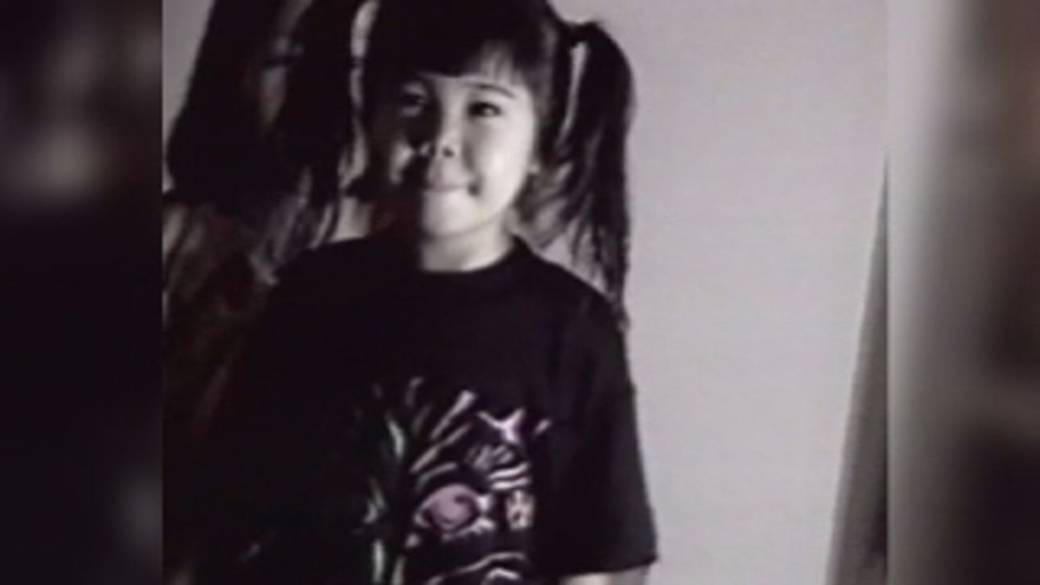
Ramona Lisa Wilson, a 16-year-old Indigenous girl and member of the Gitxsan Nation, was living with her family in Smithers, British Columbia, when she disappeared on the night of June 11, 1994. She was the youngest of six children, played outfield on a local baseball team, worked as a dishwasher at Smitty's, and had spoken about wanting to become a psychologist. That Saturday evening, she left her home at about 9:45 p.m. intending to meet friends.
Her best friend was attending a graduation celebration and expected Ramona to eventually join her at a dance in Hazelton, roughly 70 kilometres west of Smithers. Ramona never arrived.
At first, friends believed Ramona might simply have changed her plans or stopped in Moricetown along the way. Concern deepened when she failed to return home, did not attend school Monday, and missed her scheduled shift at Smitty's. Her family reported her missing to the RCMP and began contacting friends and relatives and searching around Smithers themselves. Her belongings remained at home, her bank account was untouched, and even her most recent paycheck had not been collected, reinforcing her family's conviction that she had not voluntarily run away.
Ramona was believed to have been travelling or hitchhiking along the Highway 16 corridor toward Hazelton when she vanished. The highway connects a series of northern British Columbia communities and would later become widely known as the “Highway of Tears” because of numerous cases involving missing and murdered women and girls. Ramona's disappearance became one of the cases ultimately incorporated into the RCMP's Project E-PANA investigation. The RCMP has said the cases included in E-PANA involved women who disappeared or were found near Highways 16, 97, or 5, and investigators have cautioned that they do not believe one serial killer was responsible for every case.
A particularly troubling development came in January 1995, about seven months after Ramona disappeared. The RCMP received an anonymous telephone tip claiming that her body was behind the Smithers airport. Police searched the area but did not locate her and were unable to trace the caller. Months later, the information in that call proved disturbingly close to the truth.
On April 9, 1995, two teenagers riding four-wheelers in an area off Yelich Road, near the Smithers airport, became stuck and went into the surrounding woods looking for something that could help free their vehicle. There they discovered Ramona's remains. The location was only a few kilometres from her home and was near old rugby fields and trails behind the airport. Items reported near the remains included yellow rope or a section of rope and nylon ties or cables. Some of her clothing was also recovered nearby, while her shoes reportedly were never found. Publicly available records therefore place the discovery of her remains in April 1995, rather than September 30, 1995.
The precise manner in which Ramona was killed has not been publicly established in the sources available. During testimony before the National Inquiry into Missing and Murdered Indigenous Women and Girls, a member of Ramona's family said relatives were never given an official cause of death by forensic authorities. Her death has nevertheless consistently been classified and investigated as a homicide.
Investigators pursued numerous pieces of information over the years. Accounts examined by police included reports or rumours that Ramona might have been at a gathering near the rugby fields, that there had been some type of confrontation involving local men in a truck, and that she might have visited apartments on the night she vanished. None of those leads resulted in a publicly identified offender. Her mother, Matilda Wilson, later said she believed whoever was responsible might have known the area because the trails and wooded land behind the airport were difficult for outsiders to navigate. Matilda also discussed her personal theory that Ramona might have been struck accidentally and her body subsequently concealed, while emphasizing that she had no evidence proving that scenario.
No arrest has been announced in Ramona Wilson's killing, no person has been publicly charged with her murder, and no suspect has been convicted. Although investigators have considered possible connections between Highway 16 cases, the RCMP has specifically stated that it does not believe a single offender committed all of the crimes examined by Project E-PANA. Ramona's homicide remains among those unresolved investigations.
In June 1995, only months after her remains were recovered, Ramona's family organized the first Ramona Lisa Wilson Memorial Walk, travelling from the Smithers area toward the road near the airport where she had been found. What began as an effort by her relatives to keep attention on her unsolved murder grew into an annual gathering honoring Ramona and other missing and murdered Indigenous women and girls. Decades after she disappeared, her family has continued to seek answers about who took her life and why.