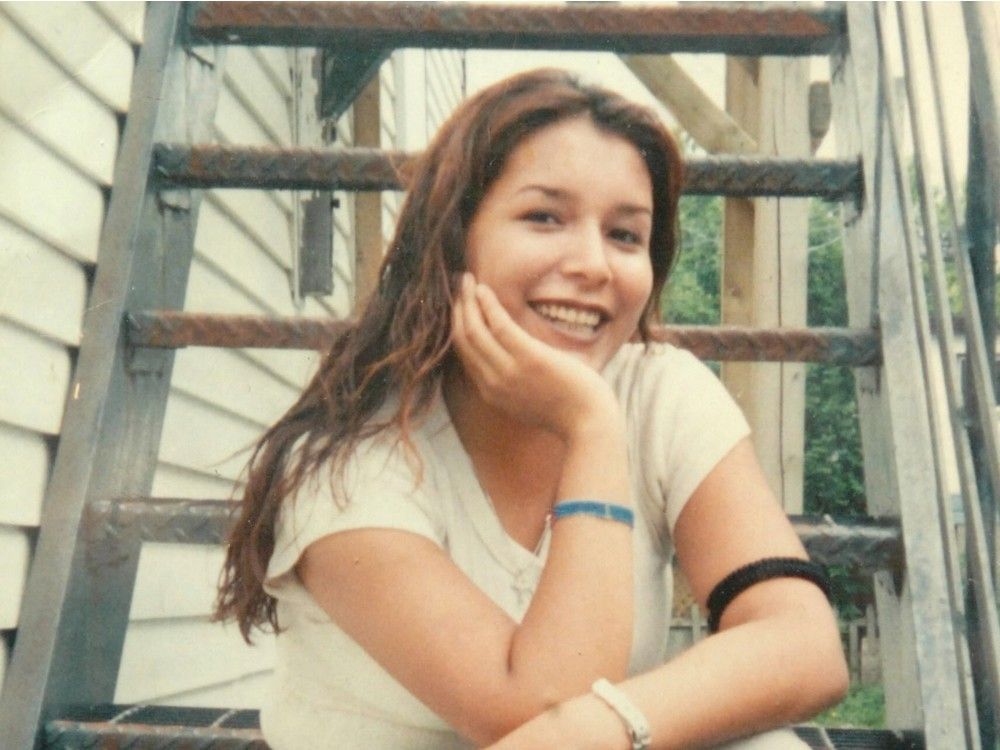
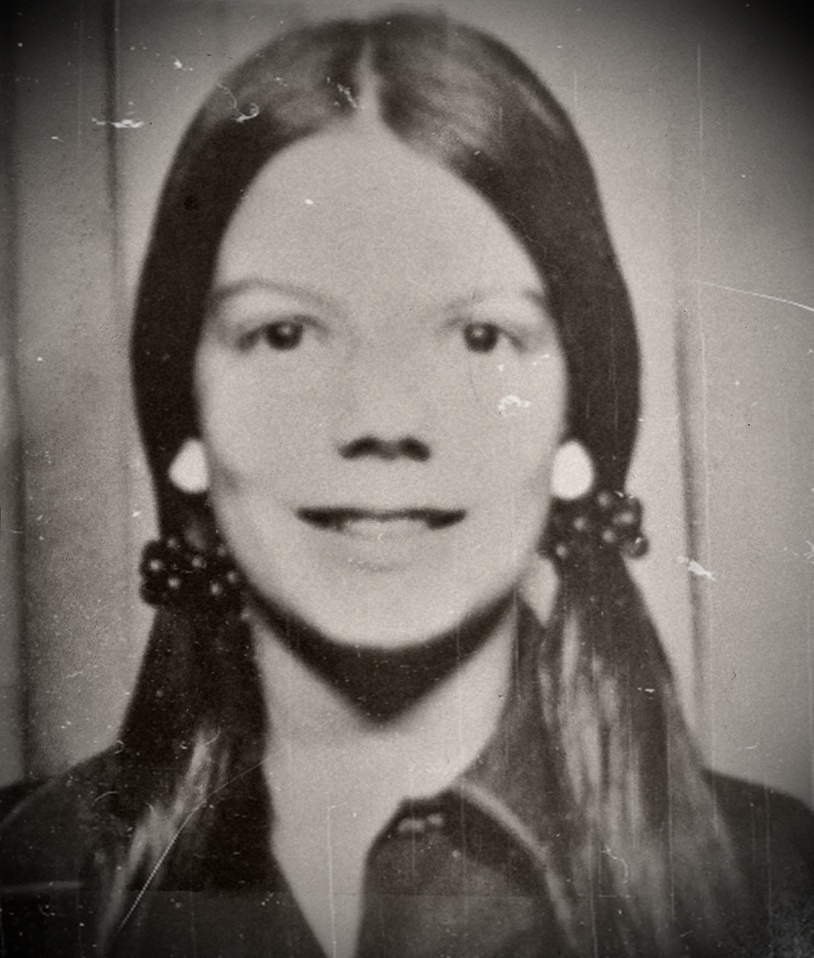
Claudette Poirier was a 15-year-old girl living with her family in the Drummondville area of Quebec when she vanished on July 27, 1977. Although that date is often associated with her death, the available records establish it as the date of her disappearance; because her remains were not recovered until years later, investigators were unable to determine precisely when or how she died. During the summer of 1977, her family had been camping south of Drummondville near Chemin Hemming.
Around midday on July 27, Claudette left the camping area on her bicycle, traveling through the Saint-Cyrille area toward Drummondville. She was reportedly going to visit friends or perform a babysitting job near her family's home. She never reached her destination.
When it became clear that Claudette had disappeared, an extensive search was organized. Police officers, volunteers and other searchers combed the surrounding countryside, while divers searched bodies of water and aircraft were used to examine the region from above. The Sûreté du Québec became involved in the investigation. Claudette's bicycle was eventually discovered abandoned in a ditch in the Saint-Cyrille area, but there was no trace of her nearby and nothing immediately explained how she had become separated from it. Investigators received information suggesting that she might have been abducted and killed, but the search failed to uncover evidence showing exactly what had happened.
The case then remained unresolved for more than nine years. On October 9, 1986, hunters searching a wooded area near the Domaine La Réserve in Saint-Lucien discovered a human skull, additional skeletal remains and women's clothing close to a roadway. The location was several miles south of the area associated with Claudette's disappearance. The remains were submitted for examination at the Sûreté du Québec medical laboratory in Montreal. Months later, authorities confirmed that the bones belonged to Claudette.
The long period between Claudette's disappearance and the recovery of her remains severely limited what forensic investigators could determine. No definitive cause of death could be established, and reports concerning the recovered bones indicated that investigators did not find clear physical evidence establishing precisely how she had died. Despite that limitation, Sûreté du Québec investigators reportedly believed that her death was not the result of natural causes. In May 1987, police said the investigation was continuing, although the evidence was insufficient to formally establish a homicide through the forensic findings alone.
No publicly documented arrest, criminal charge, trial or conviction has been identified in connection with Claudette's disappearance and death, and the available sources do not identify anyone as an officially charged suspect. Later researchers have discussed possible connections between her case and other crimes committed in Quebec during the same era, including speculation involving known offenders, but those theories have not been established as conclusions of the official investigation. Claudette's case therefore remains without a publicly identified perpetrator, with the central questions of who was responsible and exactly what occurred after she disappeared on July 27, 1977 still unanswered.