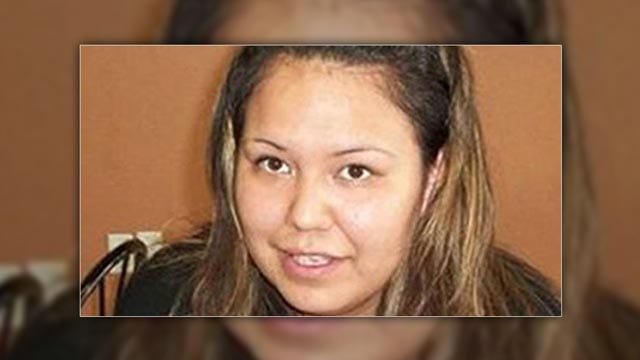
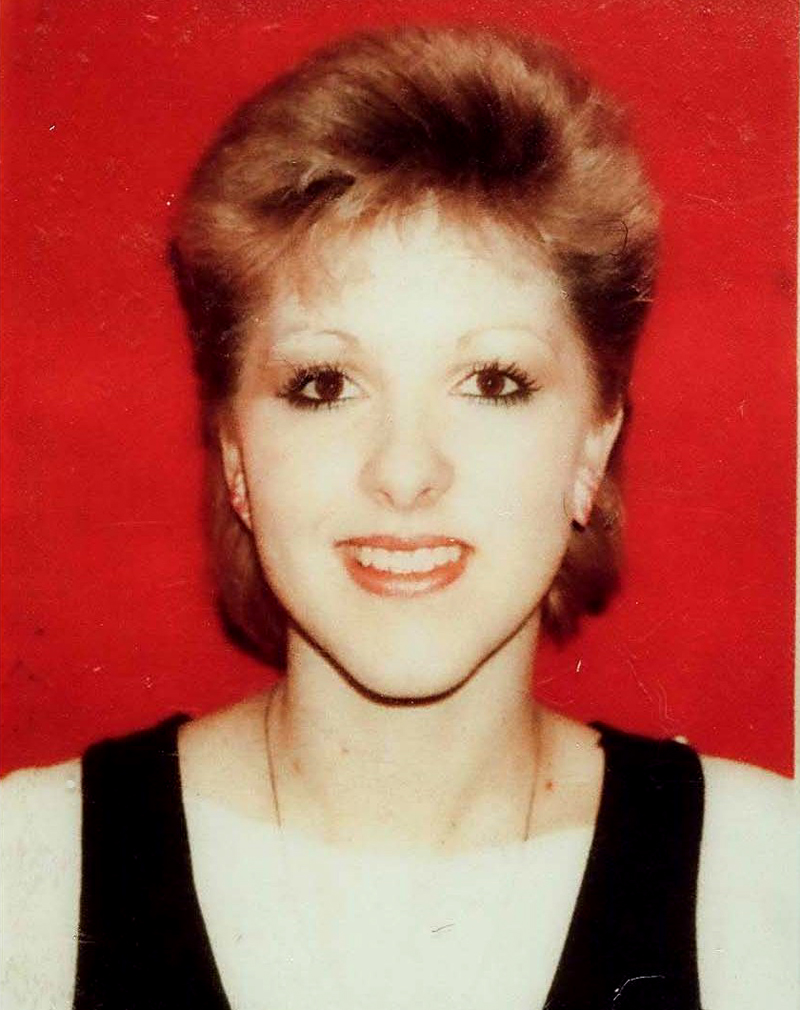
Tara Jane White was an 18-year-old female from Banff, Alberta, who had completed her first year as a science student at the University of Calgary. During the summer of 1976, she was working as a waitress at a lodge in the Rocky Mountains north of Lake Louise. On July 1, 1976, Tara was seen leaving a residence in Calgary's Dalhousie neighbourhood. Witnesses later reported seeing her walking across a field near Crowchild Trail as she headed toward a bus station, reportedly intending to buy a
ticket to return to the Lake Louise area. She was reported missing two days later.
Investigators believed Tara may have accepted a ride from someone near the bus depot or attempted to hitchhike. When she vanished, she was carrying an orange backpack and was reportedly wearing a tan corduroy jacket, blue jeans and a white blouse. Despite searches and an investigation into her disappearance, years passed without any indication of what had happened to her.
On March 24, 1981, nearly five years after Tara disappeared, skeletal remains were discovered in a shallow grave in a wooded area west of Calgary near Morley, the community now officially known as Mînî Thnî. An orange backpack was found with the remains, and the discovery was ultimately connected to Tara. Historical records therefore do not support September 30, 1976, as a confirmed date of death; she disappeared on July 1, 1976, and her remains were not recovered until March 1981.
Tara's killing became part of a broader investigation into a series of murders involving people who had connections to the Banff and Calgary areas. In November 1981, investigators from Alberta and British Columbia met to compare information about numerous unsolved killings. Contemporary reporting said police believed Tara's murder could be connected to the deaths of Melissa Ann Rehorek, Barbara MacLean and Danh Ngoc Ha. Investigators reported that the four victims had been strangled with rope or cord, had connections to the Banff area and were believed to have been hitchhiking or otherwise accepting rides. Police believed the similarities were significant enough to consider the possibility that one offender was responsible, although investigators acknowledged at the time that the connection had not been conclusively proven.
The investigation did not lead to an arrest in Tara's case. No publicly documented suspect has been charged, tried or convicted of her murder, and later compilations of the case have continued to classify it as unsolved. Her case was among those examined during the wider "highway murders" investigation as authorities attempted to determine whether a serial offender was operating along transportation corridors in Alberta and British Columbia.
A major development in several other Calgary-area cold cases came in 2024, when Alberta RCMP identified deceased American serial sex offender Gary Allen Srery through DNA and investigative genetic genealogy as the killer of Melissa Rehorek, Barbara MacLean, Eva Dvorak and Patricia McQueen. Although Rehorek and MacLean had once been investigated for possible connections to Tara's case, Tara was not among the four victims the RCMP attributed to Srery. Authorities have said they believe Srery may have had additional victims, but publicly available information has not established that he killed Tara. As a result, her homicide remains without a publicly identified killer and without any reported arrest, charge, trial or conviction.