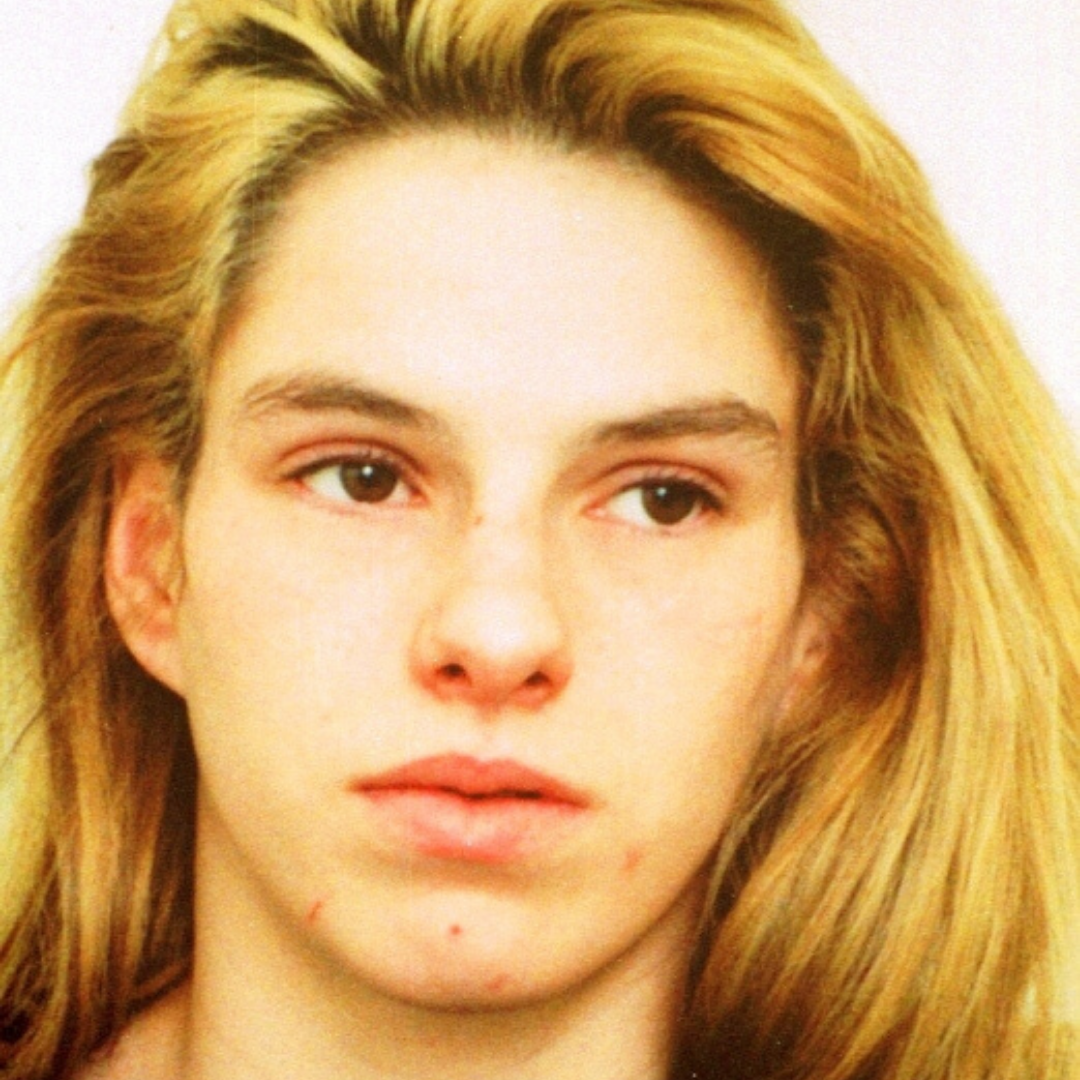
In the summer of 1991, Jennifer Janz was a 16-year-old girl whose family was deeply worried about her. The Calgary, Alberta teenager was grappling with a kidney ailment that required medical attention, and her family was trying to help her get off the streets. Their efforts to protect her ended in a tragedy that has remained unsolved for over three decades, becoming a haunting chapter in the city's history. Jennifer was a young woman whose chance to grow up was stolen, leaving behind a family with unanswered questions and a community shaken by a string of violent crimes.
Jennifer’s last confirmed sighting was on July 12, 1991, as she was leaving the emergency room of the Rockyview Hospital in Calgary. For a month, her whereabouts were unknown. The search for her came to a devastating end on August 13, 1991. Her body was discovered in a shallow grave near the Trans-Canada Highway and Valley Ridge Road NW.
An autopsy determined that the young woman's death was a homicide caused by blunt force trauma. The location and manner of her burial were disturbingly similar to other cases that would unfold in the area.
The investigation into Jennifer’s murder was handled by the Calgary Police Service. Her death was not an isolated incident; it occurred during a period of heightened fear in Calgary as several young women, many involved in the sex trade, were murdered between 1991 and 1993. The slayings sparked rumors and widespread fear of a serial killer preying on the city's most vulnerable. Investigators noted similarities between the cases, particularly the discovery of three victims—Jennifer Janz, Keely Pincott, and Jennifer Joyes—in shallow graves. Police task forces were formed to investigate the string of homicides, but the forensic limitations of the era, such as the lack of a national DNA databank, hampered their progress.
Over the years, police have re-examined Jennifer's case file, along with others from that time, hoping that advances in technology or a change in someone's loyalties might bring forth new evidence. "Maybe someone had loyalties that are no longer in existence or they have a conscience they want to clear," Staff Sgt. Colin Chisholm of the Calgary police homicide unit has stated. "Time's an ally for sure." Though persons of interest have been considered in connection with the series of murders, no definitive link has ever been established in Jennifer's case, and no arrests have been made. Some theories suggest a single killer was responsible for the deaths, while others speculate the crimes could have been unrelated, a tragic consequence of the dangers of street life in a rapidly growing city.
The series of killings, including Jennifer's, eventually stopped after the murder of Rebecca Boutilier in 1993, leaving a trail of cold cases. For the families left behind, the passage of time has not eased the pain of not knowing who is responsible. The Calgary Police Service continues to classify Jennifer Janz's homicide as an open and active investigation. Detectives assigned to historical homicides periodically review the file, looking for new avenues to explore.
As of October 2025, Jennifer's murder remains unsolved. Her case, along with the others from that dark period in Calgary's history, is occasionally highlighted by true crime podcasts and cold case investigators, keeping her memory alive in the public consciousness. Calgary Crime Stoppers continues to offer a reward for information that leads to an arrest in this or any other unsolved homicide. Anyone with information about the murder of Jennifer Janz is urged to contact the Calgary Police Service at 403-266-1234 or to submit a tip anonymously through Crime Stoppers.