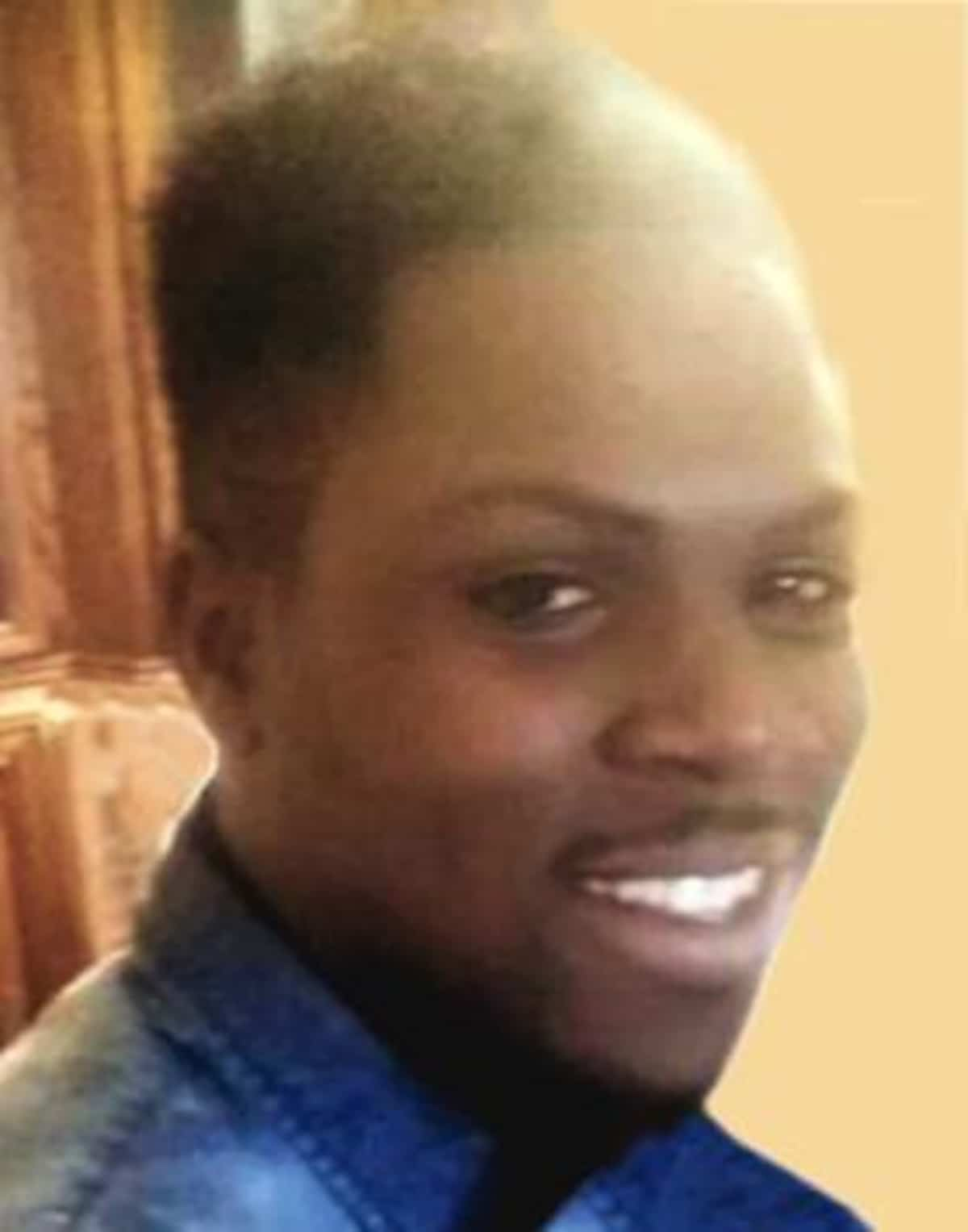
Mario Corbeil was a 15-year-old White/Caucasian male living in Longueuil, Quebec, when a motorcycle ride on the evening of May 20, 1975, ended in a double murder that has remained unsolved for more than half a century. Earlier that evening, Mario had received a small red Kawasaki motorcycle from his parents and spent time proudly giving friends rides around the neighborhood. At about 8:00 to 8:15 p.m., he offered a ride to his young neighbor and friend, Diane Déry.
The pair headed toward a trail and field near Boulevard Rolland-Therrien, an area familiar to neighborhood youths, and disappeared into the wooded section beyond the developed streets.
When Mario and Diane failed to return, their families became increasingly worried. Relatives and others began searching the surrounding fields and wooded trails during the evening and continued through the night. The search ended at approximately 7:20 the following morning, May 21, when the two were found dead on vacant ground near the southern end of the extension of Boulevard Rolland-Therrien. Their bodies were together and had been riddled with gunfire. The scene established that both had been murdered.
Mario had been shot repeatedly. Contemporary and later accounts describe six gunshot wounds, while Diane was struck twice. Medical records associated with the coroner's investigation showed projectiles in Mario's head, including one in the right temporal area and another in tissue behind his right ear, as well as a projectile in the soft tissue of his upper left buttock. Investigators ultimately determined that the weapon used was a. 22-caliber firearm, with later examination of the case identifying the suspected murder weapon as a semiautomatic Cooey Sure-Shot rifle.
Exactly how the shooting unfolded has remained uncertain. One reconstruction suggested that the positioning and trajectories of the wounds were consistent with shots being fired in connection with the location where the bodies were ultimately found. A crime-scene expert consulted decades later for the documentary investigation Le dernier soir offered a different possibility: that at least some of the shots were fired while Mario and Diane were still on the motorcycle. Both interpretations raised the possibility that the bodies or scene were deliberately arranged afterward. Reports at the time also raised the possibility that Diane had been sexually assaulted, but later examination of the autopsy documentation did not establish that allegation as a confirmed fact.
The investigation soon began focusing on young people who frequented the woods. A June 1975 newspaper account, drawing on the police investigation, reported that detectives were interested in three or four youths believed to be under 20 who had previously been seen practicing with. 22-caliber firearms in the area. Investigators were particularly interested because those youths reportedly stopped appearing in the woods after the killings. The theory shifted attention away from the early suggestion of an unknown sexual predator and toward the possibility that Mario and Diane had encountered one or more local youths familiar with firearms.
The investigation intensified again in 1977. Information preserved in records from the coroner's inquiry indicates that police received allegations concerning young men who regularly gathered in the woods and used rifles there. One father reportedly told authorities that he was convinced his teenage son had participated in the killings, although that assertion was an allegation and never resulted in a murder conviction. Investigators also obtained names from a notebook belonging to Mario and examined other young men associated with the same neighborhood group. Search warrants and investigative detentions followed as police attempted to locate a weapon matching the ballistic evidence.
Police seized and examined several. 22-caliber rifles. Of particular interest was a semiautomatic Cooey Sure-Shot Model 64 equipped with a scope because its characteristics reportedly corresponded to the type identified by ballistic investigators. Other. 22-caliber rifles were also recovered and examined, but the searches failed to produce evidence sufficient to establish that a particular seized gun was the murder weapon or to support murder charges against one of the young men questioned.
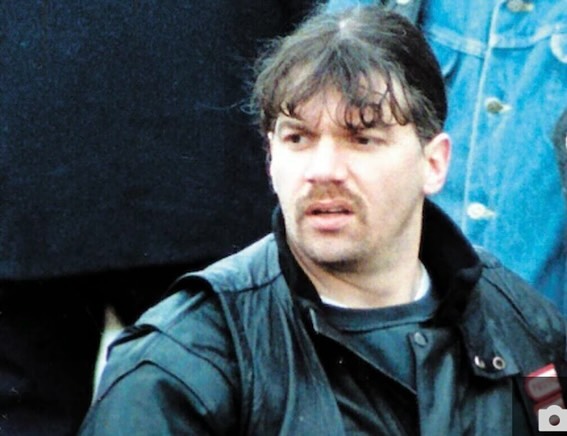
Decades later, renewed examination of the files brought attention to one member of that circle who had been a teenager at the time of the killings. Investigative reporting associated with Le dernier soir described the individual as a school acquaintance of Mario who possessed a Cooey rifle and later became involved with organized motorcycle-gang crime. He eventually left Canada for Europe. The documentary treated him as a significant investigative lead rather than as a proven killer, and other analysts who subsequently reviewed the case have questioned whether he was actually responsible. No court has determined that he killed Mario or Diane.
Despite the searches, questioning, seized firearms, investigative theories and later journalistic reexaminations, no one has ever been charged, tried or convicted of murdering Mario Corbeil and Diane Déry. The Sûreté du Québec continues to list the double homicide as an unresolved case and continues to seek information that could identify the person or people responsible for what happened in the Longueuil woods on the night of May 20, 1975.