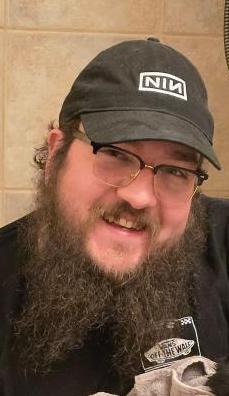
In the early hours of August 31, 2026, tragedy struck in the parking lot of the Venture-N, a well-established gay bar in Tucson, Arizona, that had long been considered a sanctuary for the local queer community. Cameron Davis Capara, a 33-year-old man, and his acquaintance, 42-year-old Vincent Anthony Siqueiros, were fatally shot shortly after midnight. Both men were regulars at the bar and died at the scene.
The gunman, identified as 44-year-old Ousman Ceesay, was found at the scene with a gunshot wound and died after being transported to a local hospital. Authorities believe Ceesay's wound was self-inflicted.
The investigation into the deadly shooting quickly revealed a chilling motive. Police found that Ceesay, who had recently moved to Tucson and had no prior connection to the victims, was in possession of a note listing several LGBTQ+ associated businesses. A later search of his home uncovered another note in which he claimed to have acted alone and stated that the attack was driven by hatred for the LGBTQIA+ community. Based on this evidence, the Tucson Police Department began investigating the double murder-suicide as a hate crime. Ceesay, a naturalized U.S. citizen who immigrated from The Gambia, was described by a cousin as a practicing Muslim, though police have not officially identified an Islamist motive for the attack.
The aftermath of the shooting sent ripples of fear and grief through Tucson's LGBTQ+ community and beyond. In response to the targeted violence, police increased their presence around other gay-friendly establishments in the area. A growing memorial of flowers and candles soon appeared outside the Venture-N, and a large candlelight vigil was held at a nearby park to honor the lives of Cameron Davis Capara and Vincent Anthony Siqueiros. Friends remembered Capara as a passionate social justice activist and a "revolutionary" photographer who frequently documented protests concerning issues like Palestinian solidarity and immigration rights. The case concluded with the deaths of both the victims and the perpetrator, leaving a community to mourn and grapple with the violent manifestation of anti-LGBTQ+ hatred. Since the sole suspect took his own life at the scene, there were no arrests made or any subsequent trial or conviction.