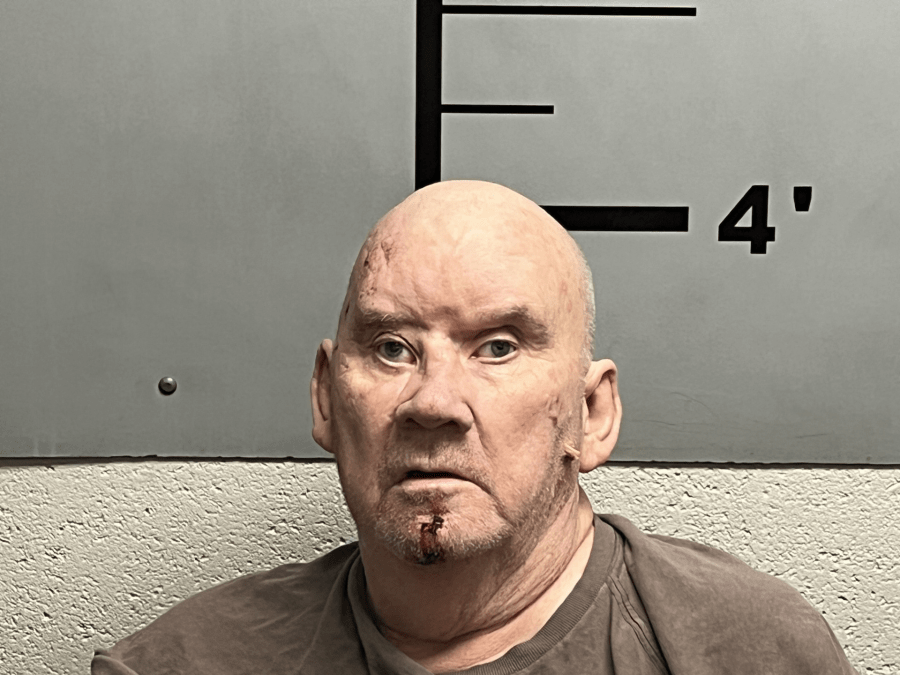
In the quiet community of Sulphur Springs, Arkansas, the life of 20-year-old Triton Michael King was tragically cut short on the evening of Thursday, August 13, 2026. Deputies from the Benton County Sheriff's Office were dispatched to a residence on Honey Creek Road around 9 p.m. following reports of a shooting. Upon their arrival, they discovered King deceased at the scene from what was determined to be a fatal gunshot wound, launching an immediate homicide investigation into the matter.
The initial stages of the investigation were swift, as law enforcement officials began to piece together the events that led to the young man's untimely death.
The investigation quickly pointed to a single suspect: 21-year-old Hunter James Anderson. As authorities began to close in, Anderson fled the state in an attempt to evade capture. His time as a fugitive was short-lived, however. Law enforcement in neighboring Missouri were alerted, and an officer with the Southwest City Police Department spotted Anderson. A pursuit ensued, leading to Anderson's apprehension. Following his arrest, Anderson was held in the McDonald County Jail in Missouri, awaiting his return to Arkansas to face the serious charges that had been leveled against him in connection with King's death.
Hunter James Anderson was extradited back to Benton County, Arkansas, where he was formally charged with capital murder. Another individual, 19-year-old Morgan Young, was also implicated in the aftermath of the shooting. Young was arrested and charged with hindering apprehension or prosecution, accused of disposing of evidence from the crime scene. As the legal process began to unfold, Anderson was booked into the Benton County Jail. The case against him marked the beginning of a long road to determine the full scope of events that transpired on that fateful August evening and to hold accountable those responsible for the death of Triton Michael King. The final disposition of the charges against Hunter James Anderson and Morgan Young, including any subsequent trial, conviction, or sentencing, has not been made publicly available in the immediate reports following the incident.