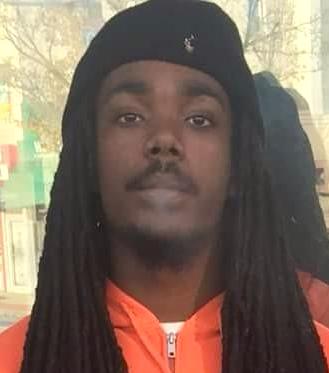
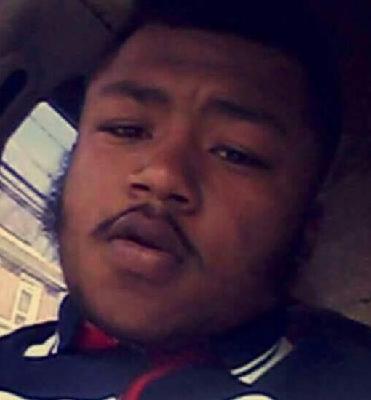
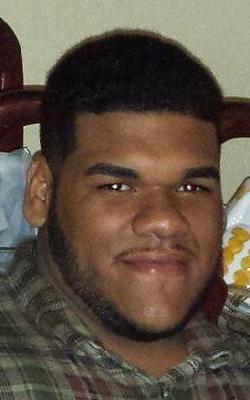
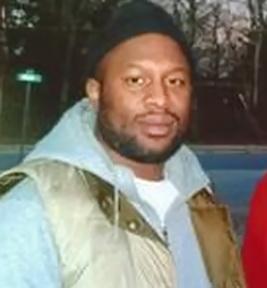
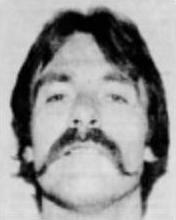
John P. Petrone, a 57-year-old man from Brielle, New Jersey, was shot to death in June 1978 in a homicide that would remain largely hidden from public view for nearly five years. Later accounts identify Petrone as an ex-convict who had at times acted as a police informant. Although June 1, 1978 has been associated with his death, surviving online accounts generally identify the killing only as occurring in June 1978 rather than confirming the precise day.
Reports concerning the case state that Petrone was shot at or near an abandoned airfield in the Flemington area of New Jersey.
Petrone's remains were not recovered until May 11, 1983. His skeleton was discovered buried in a remote wooded area of Jackson Township, with later accounts identifying the location as the Colliers Mills Wildlife Management Area. The condition of the remains reflected how long the body had been concealed; published accounts noted that Petrone's jawbone was missing when the skeleton was unearthed. The recovery finally brought investigators physical evidence of a homicide that had occurred years earlier, at a time when authorities were already unraveling a series of killings connected to Richard Fran Biegenwald.
Biegenwald emerged as the principal publicly identified suspect in Petrone's killing. He was a convicted murderer who had served approximately 17 years in prison for the 1958 shooting death of Bayonne businessman and assistant city prosecutor Stephen Sladowski before being paroled in 1975. By January 1983, Biegenwald was again the focus of a major homicide investigation after the remains of Anna Olesiewicz were discovered in Ocean Township. Police arrested Biegenwald on January 22, 1983, and investigations involving him and associate Dherran Fitzgerald subsequently led authorities to additional bodies and evidence of several other murders.
As the investigation expanded during the spring and summer of 1983, prosecutors publicly linked Biegenwald to Petrone's death. Contemporary New Jersey newspaper coverage reported that authorities accused Biegenwald of killing Petrone in June 1978. The discovery of Petrone's remains came during the same period in which investigators were recovering the bodies of several other suspected Biegenwald victims. Another homicide associated with Biegenwald, the September 1982 killing of teenager Virginia Clayton, also drew attention because Clayton's body had been discovered only several miles from the area where Petrone had been buried.
Despite the suspicion surrounding Biegenwald, the distinction between the Petrone homicide and Biegenwald's proven murders is important. Authorities never filed a murder charge against Biegenwald for Petrone's death, and no trial or conviction resulted from the Petrone case. Accounts of the investigation indicate that prosecutors lacked sufficient evidence to take that homicide to court. Biegenwald was instead indicted and prosecuted for a separate group of murders, including those of Anna Olesiewicz, William Ward, Maria Ciallella, Deborah Osborne and Betsy Bacon. He was convicted in those cases, with his prosecution producing both murder convictions and lengthy imprisonment, but none of those convictions legally established that he murdered Petrone.
John Petrone's homicide therefore remained an unresolved case in the formal legal sense. Richard Biegenwald was repeatedly identified as the suspected killer, including by contemporary prosecutors and later accounts of Biegenwald's crimes, but he was never arrested, charged or convicted specifically for Petrone's murder. No other publicly documented suspect appears to have been prosecuted for the killing, and the available record does not establish a proven motive. Biegenwald died in New Jersey in 2008, leaving the Petrone homicide among the killings attributed or suspected to have been committed by him but never adjudicated in court.