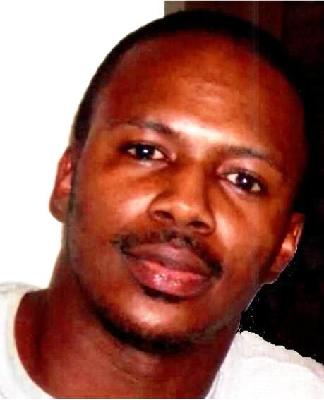
Joseph M. Pike, a 68-year-old man from the Cincinnati, Ohio, area, died on March 6, 1987, while he was a patient in the Cincinnati hospital system. Online accounts identifying victims of hospital orderly Donald Harvey place Pike among the people Harvey deliberately killed during a long series of poisonings and other murders committed against patients under his care. Pike’s ethnicity or race is not reliably identified in the available online sources.
Pike’s death came near the end of Harvey’s killing spree at Drake Memorial Hospital in Cincinnati. According to published victim lists, Harvey killed Pike by administering a lethal dose of Detachol, a cleaning solvent used in medical settings to remove adhesive material from the skin. The poisoning was intentional rather than an accidental medication error. Pike died only about a day before two other patients associated with Harvey’s final known killings at Drake: Hilda Leitz and John W. Powell. Leitz was also poisoned with Detachol, while Powell was given cyanide through a gastric feeding tube.
At the time Pike died, no public murder case had yet exposed what was happening inside the hospital. Harvey had worked around seriously ill and vulnerable patients for years, and many of the deaths around him initially appeared compatible with the victims’ existing medical problems. That began to change after Powell’s March 7, 1987 death. An autopsy unexpectedly found cyanide in Powell’s body, giving investigators evidence that his death had been caused deliberately. The discovery led authorities toward Harvey and eventually opened a much broader investigation into suspicious deaths at Drake and other hospitals where he had worked.
Donald Harvey became the principal and ultimately confessed suspect in Pike’s killing. He was taken into custody on April 6, 1987, after investigators connected him to Powell’s poisoning. Once questioned about additional deaths, Harvey began admitting responsibility for a far larger number of killings. Investigators and prosecutors examined patient records, deaths occurring during his shifts, the substances available to him and other circumstances surrounding patients who had died unexpectedly. Pike was eventually identified as one of Harvey’s murder victims rather than as someone who had simply succumbed to illness.
The investigation revealed that Harvey had used numerous methods over the years. His victims were poisoned with substances including cyanide, arsenic and rat poison; others were suffocated or killed by interference with medical equipment and treatment. His stated explanations varied. He sometimes characterized the killings as acts intended to end suffering, but accounts of his confessions showed that some murders involved anger, personal gratification or deliberate planning rather than any consistent form of supposed mercy. Pike’s poisoning with Detachol was treated as an intentional homicide.
On August 18, 1987, Harvey pleaded guilty in Cincinnati to 24 counts of aggravated murder, along with attempted aggravated murder and felonious-assault charges involving other victims. The plea agreement spared him a possible death sentence in exchange for his admissions and guilty pleas. Pike was among the patients whose deaths became part of the body of murders attributed to Harvey during his employment at Drake. Harvey received multiple life sentences that ensured he would remain imprisoned for decades. Additional investigations later produced more admissions and convictions involving killings committed earlier in Kentucky, and Harvey was ultimately held responsible in court for dozens of deaths.
The Pike family later publicly challenged the circumstances that had allowed Harvey to continue working around vulnerable patients. Michael Pike, identified in later reporting as Joseph Pike’s son, spoke about his father’s wrongful death and questioned whether warning signs within the Cincinnati hospital system had been adequately addressed. Reports on the Harvey investigation described nurses and other employees becoming suspicious because of unusual numbers of deaths associated with Harvey. Some staff members reportedly raised concerns before the full scope of the killings became public, but Harvey was not stopped until the cyanide discovered after Powell’s death triggered the criminal investigation.
Civil litigation also followed the revelations surrounding the Drake murders. Families of Harvey’s victims accused the hospital and its personnel of failing to respond adequately to suspicious deaths and warning signs. The allegations surrounding the institution became part of a larger controversy over how Harvey had been able to kill repeatedly in a medical environment without being detected. Pike’s death therefore became not only one of the individual murders attributed to Harvey, but also part of the broader examination of hospital oversight and accountability that followed the case.
Harvey remained imprisoned after his convictions. Over time he admitted or claimed responsibility for substantially more killings than those for which he was formally prosecuted, although the exact total has never been definitively established. His confirmed victims numbered in the dozens, making him one of the most prolific convicted serial killers associated with American health-care facilities. He was still serving his sentences when he was fatally beaten by another inmate in an Ohio prison in 2017.
For Joseph M. Pike, the investigation that unfolded after his death transformed what had initially occurred inside a hospital room into a documented homicide. Authorities concluded that the person responsible was not an unknown intruder or outside assailant, but Donald Harvey, a hospital employee who had access to Pike and other medically vulnerable patients. Harvey was arrested within a month of Pike’s death, confessed during the expanding investigation and later pleaded guilty to the series of Cincinnati murders, bringing criminal responsibility for Pike’s killing into the much larger prosecution of Harvey’s hospital murder spree.