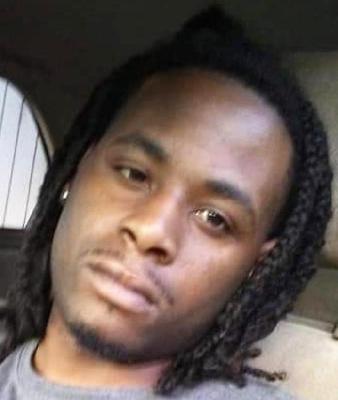
On a Wednesday afternoon in Memphis, Tennessee, on July 8, 2026, the life of Darrell Jones came to a tragic and abrupt end. In the 4100 block of Barron Avenue in East Memphis, at approximately 4:00 p.m., officers responded to a shooting. Upon arrival, they discovered Jones unresponsive and suffering from several gunshot wounds. He was pronounced dead at the scene.
The incident shattered the mid-summer quiet of the neighborhood and set in motion a swift investigation by the Memphis Police Department. Another man was detained at the scene as authorities began to piece together the events that led to the fatal shooting.
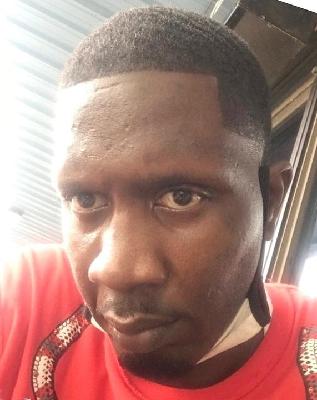
The investigation quickly led to the identification and arrest of 28-year-old Marquillo Kelly. By the following morning, the Memphis Police Department announced that Kelly had been charged with first-degree murder and employing a firearm during the commission of a dangerous felony. According to an affidavit, Kelly confessed to the shooting, citing years of bullying by Jones as the motive. Kelly stated that on the day of the incident, the long-standing ridicule culminated in him shooting Jones in a fit of anger after being mocked again. He allegedly used a black Glock 19 pistol, firing several times. After the shooting, Kelly reportedly placed the firearm in the center console of a white Ford Escape parked in a nearby driveway. Seven silver 9 mm shell casings were found at the scene, leading towards a neighboring home.
Following his arrest, Marquillo Kelly was detained at the Shelby County Jail. While initial reports detailed a confession and what appeared to be a straightforward case, there were later indications that the legal proceedings might be more complex. One report suggested that the murder charge against Kelly had been dropped. However, it also clarified that the case was far from over, with Kelly awaiting a court appearance on July 19 and being held without bond. The case overview suggests a narrative of a man who, after allegedly enduring years of torment, reached a breaking point, resulting in a fatal confrontation. The full legal resolution of the case, including any potential trial, conviction, or sentencing, remains to be seen as the judicial process continues.