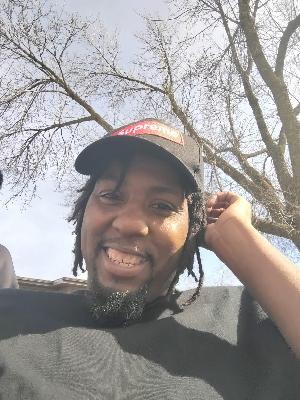
Pierre Smith, a 37-year-old Black man, was fatally shot on the afternoon of April 9, 2026, outside a barbershop near Lisbon Avenue and West Burleigh Street on Milwaukee’s north side. Milwaukee police said the shooting occurred at approximately 5:10 p.m. Smith suffered multiple gunshot wounds and was pronounced dead at the scene. Family members soon identified him, and those who knew him described a well-known, self-taught barber whose work and personality had made him an important presence in
the community. Friends remembered him as determined, driven and someone who encouraged other people to pursue their own goals.
Investigators initially announced that they were searching for whoever was responsible, but the investigation soon produced a specific suspect. According to the criminal complaint, Smith had arranged to cut the hair of a witness that day. Smith and the witness met at the barbershop, left together to run errands and later returned. As Smith was unlocking the shop, another person approached and asked whether they were doing haircuts. Smith agreed to provide a haircut, but the encounter suddenly turned violent. The witness told investigators that the person pushed past him, drew a handgun and repeatedly fired at Smith before running west on Burleigh. Another account of the complaint stated that the witness saw Smith being shot multiple times in the head.
Surveillance cameras provided investigators with a much more detailed picture of what had happened before and after the shooting. Prosecutors said a black cargo van had parked several doors away from the barbershop roughly 10 minutes before Smith returned. A person matching the eventual suspect's description got out of the van, walked toward the shop, looked around and then returned to the vehicle. Shortly afterward, Smith and the witness arrived. The person again emerged from the van and walked quickly toward them. After briefly speaking with the witness, the person was recorded pulling a gun from a pocket and raising it toward Smith, who collapsed after being shot.
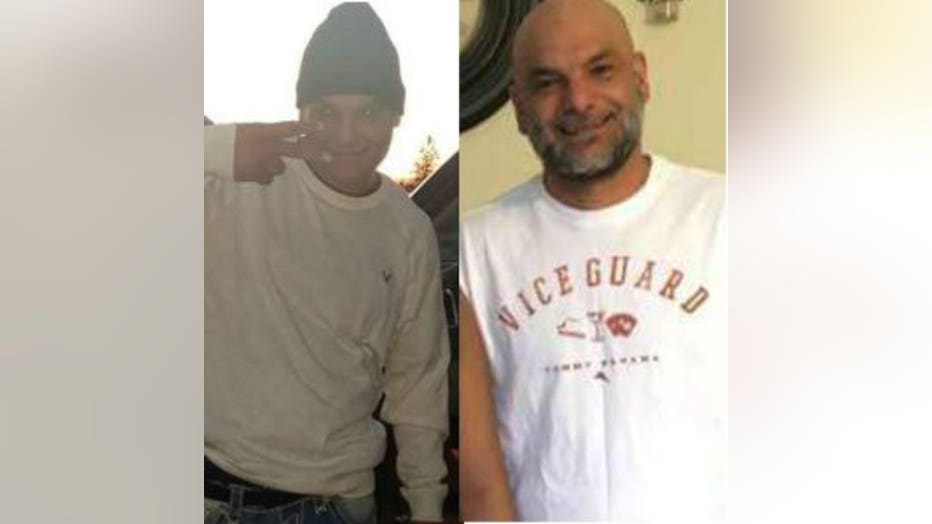
The gunman fled on foot rather than leaving in the cargo van. Additional surveillance footage reportedly showed him removing the top of his jogging suit and his hat as he ran through the area. A camera in an alley captured a clearer view of his face and hairline. Detectives eventually showed surveillance images to two people who knew Fred Shabazz, also known as Fred Morris Jefferson, and both identified Shabazz as the person depicted in the footage. One of those people was reported to be a relative, while another was a woman who indicated that she had been involved with him.
The cargo van became another major piece of the investigation. Authorities determined that Shabazz was its registered owner, and when detectives searched it they found Wisconsin Department of Corrections paperwork, utility and water bills, prescription medication containers and other materials bearing his name. Investigators then searched an address associated with Shabazz that appeared on paperwork recovered from the van. Inside that residence, authorities reportedly located further identification connected to him, including a government-issued identification card and Social Security card. They also recovered a handgun and ammunition. According to court filings, the ammunition was the same caliber and manufacturer as cartridge casings recovered from the homicide scene. The publicly reported evidence did not establish merely from that similarity that the recovered firearm was definitively the murder weapon, but it became part of the evidence cited in the investigation.
By late April, Milwaukee County prosecutors had charged Shabazz with first-degree reckless homicide and possession of a firearm by a felon. A warrant was issued for his arrest. The criminal complaint noted that Shabazz had prior felony convictions dating back decades under both his current name and the Fred Jefferson alias, including convictions involving reckless endangerment, theft and drug offenses. Because of that record, prosecutors alleged that he was legally prohibited from possessing a firearm.
The publicly reported complaint did not disclose a clear motive for Smith's killing. The circumstances described by the witness and captured on surveillance suggested that the alleged gunman had arrived in the area before Smith returned to the barbershop and waited nearby, but prosecutors charged Shabazz with reckless homicide rather than publicly announcing an intentional-homicide charge. Authorities continued seeking him after the charges were filed and asked anyone who knew his whereabouts to contact Milwaukee police. No reliable subsequent online report located through August 30, 2026, announced that Shabazz had been arrested, brought to trial or convicted in connection with Smith's killing, leaving the criminal case publicly reported as an outstanding warrant rather than a completed prosecution.
Smith's death left behind a family and a community that remembered far more than the circumstances of his killing. Friends described a barber who developed his skills through persistence and built a loyal clientele, with people coming to him not only for haircuts but also for the encouragement and confidence he gave them. A family fundraiser described him as a son, father, brother and nephew who was known for kindness, generosity and supporting those around him. His childhood friend said his progress as a self-taught barber inspired her own career and that his personality and determination would leave a lasting impact on the people who knew him.