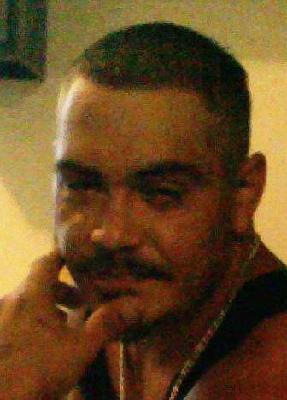
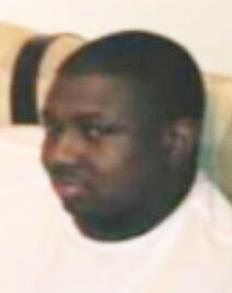
Bernard Brooks, a 26-year-old Black man from Buffalo, New York, was reported killed on March 4, 2007, his name tied to a homicide on Fillmore Avenue in the city’s 14211 area. What survives in public-facing case summaries is stark: a life ended, a street location, and a case that never found its way to a named perpetrator.
The record of the case reads like a file left open on a detective’s desk. The offense is listed simply as murder, with the cause marked unknown and no publicly listed narrative explaining what unfolded, who was with him, or how the final moments began. The agency identified with the investigation is the Buffalo Police Department, and the case status is described as unsolved.
In the space where answers should be, the public summary offers silence: no suspect is identified, no arrest is indicated, and no charges, trial dates, or convictions appear in the publicly available listing. The suspect section remains “unknown,” leaving the story without the familiar next chapter—no booking photo, no courtroom, no sentence—only the long, unresolved aftermath.
The case appears within a broader compilation of unsolved homicides drawn from public records and partner-collected data, including information gathered through a partnership connected to a Washington Post investigation into where murders go unsolved. In that context, Brooks’ name sits among many others—evidence of how a single killing can become, over time, a lingering absence in a neighborhood’s memory and an unfinished line in the city’s history.
For anyone who still carries a detail that could sharpen the picture—a name overheard, a feud remembered, a vehicle seen, a confession hinted at—the case listing points back to Buffalo Police as the place to call, using the department’s published number: 851-4415. The public record ends there, but the story doesn’t; it simply waits, held open by the hope that one clear piece of information will finally give Bernard Brooks an ending that includes accountability.