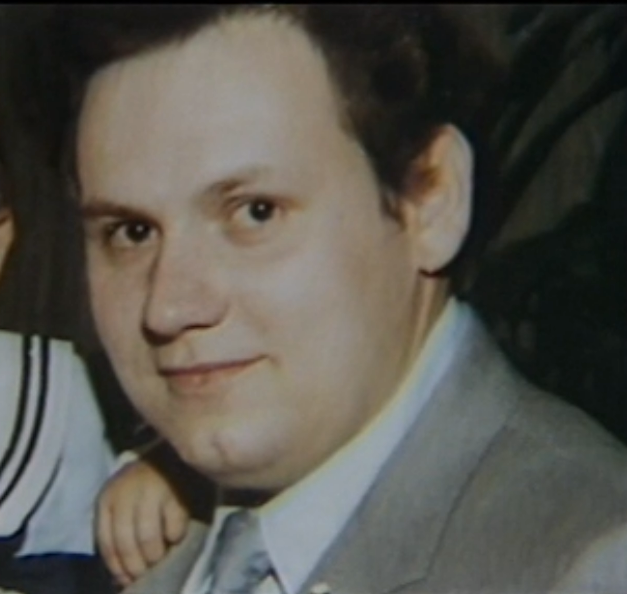
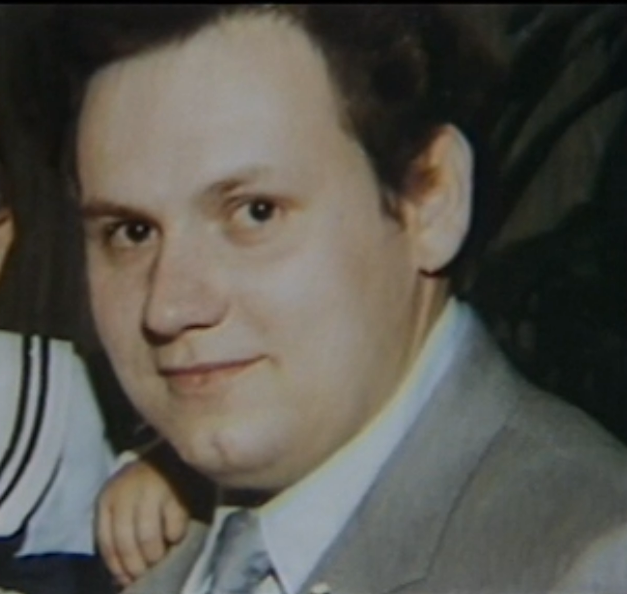
On November 21, 2025, Steven Weigensberg, a 53-year-old man and Naperville father of two, was killed in a shooting at his workplace, the Dana Point Condominiums in the 1500 block of East Central Road in Arlington Heights, Illinois. He was working in a supervisory role in property maintenance at the complex, where he had been employed alongside other staff for several years.
Reports and tributes describe him as a devoted husband to Elizabeth Caplick Weigensberg, a deeply involved father to his sons Morrison and Macallan and an active member of his community, originally from Montreal and later settled in Naperville.
That Friday afternoon, around 4:30 p.m., Arlington Heights police and fire crews responded to a 911 call reporting two unconscious men in a utility room of the condominium building. First responders found both men with what authorities described as “traumatic injuries” and quickly determined they were beyond medical aid; they were pronounced dead shortly thereafter. The building, identified as Dana Point Condominiums, was cordoned off with crime scene tape as police and the village’s Major Case Assistance Team began a detailed death investigation. Early information from police indicated that the two men were coworkers in an employee–supervisor relationship in the building’s maintenance operations, and that the incident appeared to be isolated to the property, with no immediate threat to the wider public.
Autopsies conducted by the Cook County Medical Examiner’s Office revealed that Weigensberg died from multiple gunshot wounds, and his death was formally ruled a homicide. The second man, identified as 53-year-old Juan Medina of Palatine, sustained a single gunshot wound to the head that was determined to be self-inflicted, leading officials to classify his death as a suicide. Investigators concluded that Medina, a maintenance employee at the complex, shot Weigensberg several times in the upper body inside the utility room before turning the gun on himself. On this basis, Arlington Heights police publicly characterized the case as a murder-suicide between coworkers and emphasized that the violence was contained to that one incident.
Because the person believed responsible for the shooting died at the scene, no arrests have been made in connection with Weigensberg’s killing, and authorities have not announced any additional suspects. Police statements and local news reports repeatedly note that investigators have found no evidence of other individuals being involved and that there is no ongoing threat to residents in the area. The focus of the investigation has instead been on documenting the sequence of events and determining a motive, which has not been publicly disclosed as of the most recent reports.
In the days following the shooting, Weigensberg’s family and community shared an outpouring of grief and remembrance. A public statement from his family described him as a “devoted” husband and father, condemned the violence that took his life, and called on the broader community to reject gun violence in all its forms. Obituaries and memorial notices highlight his love of being a father, his creative spirit behind the camera, and his long-standing commitment to service — from volunteering as a Cub Scout leader and teaching at a Jewish school to serving on his neighborhood homeowners association. A fundraising campaign was launched to support his widow and children, framing his death as a devastating instance of workplace gun violence that left both a profound emotional void and a sudden financial burden. Together, these tributes portray a man whose life was deeply intertwined with family, community, and quiet acts of generosity, and whose death has galvanized friends, neighbors, and colleagues to honor his memory while grappling with the shock of the crime.