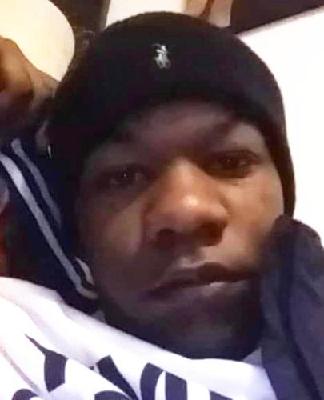
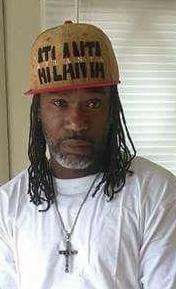
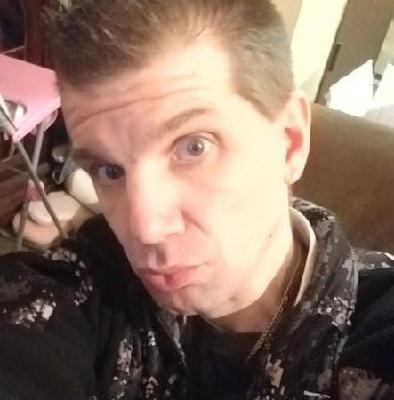
Devonta Miller was a 35-year-old man from Toledo, Ohio, whose final hours unfolded in the early morning darkness of November 1, 2025. In the noisy, crowded atmosphere of the Bottom Line bar on Starr Avenue in East Toledo, a night that began like so many others—with music, drinks, and conversation—slowly turned into a scene that friends and strangers alike would remember for all the wrong reasons.
Shortly after 2:40 a.m., an argument involving Miller and another man escalated inside or just outside the nightclub-style venue, tension giving way to shouting and confusion before the crack of gunfire shattered whatever calm remained. When the shots stopped, two men lay wounded, the floor and sidewalk around them transformed into a crime scene instead of a place of escape from the week’s worries.
Officers from the Toledo Police Department were dispatched to the 2000 block of Starr Avenue at about 2:42 a.m. They arrived to find Miller suffering from at least one gunshot wound while another man, later identified only as a 39-year-old, was also injured. Emergency crews treated the victims at the scene before rushing them to area hospitals. Miller was taken from 2052 Starr Avenue to Mercy Health St. Charles Hospital, where doctors tried to save his life but could not undo the damage that had already been done. He was pronounced dead at 4:18 a.m., his injuries too severe to survive. The other victim was transported to ProMedica Toledo Hospital with serious but non-life-threatening injuries and was expected to recover, a fragile line separating survival and loss drawn in the space of a few violent moments.
Later that same day, the Lucas County Coroner’s Office conducted an autopsy that confirmed the grim picture sketched by the scene. The medical examiner determined that Miller died from multiple gunshot wounds and ruled his death a homicide. Those clinical findings, laid out in the terse language of an official release, captured only the physical reality of what had happened: bullets tearing through tissue and bone, a life cut off in the span of seconds. For the people who knew him, and for a community already strained by repeated incidents of gun violence, the coroner’s brief statement represented a devastating finality, replacing any lingering hope with the certainty that he would not be coming home.
As detectives began piecing the night together, a name emerged as the alleged shooter: 32-year-old Andreania Pruitt. According to police, she was in a relationship with Miller, and their connection added another layer of heartbreak and disbelief to the story. Investigators say that after the confrontation between Miller and the second man, Pruitt fired into a group of people outside or near the bar, striking both men. She was arrested shortly after the shooting and booked into the Lucas County jail. Initial reports listed her charges as murder and felonious assault, reflecting both the fatal outcome for Miller and the serious injuries to the surviving victim.
In the days that followed, the case moved from the street and the emergency room into the courtroom. A Lucas County grand jury indicted Pruitt on two counts of murder and five counts of felonious assault, formalizing the accusations that she fired into the crowd on Starr Avenue in the early-morning hours. As the legal process began, with arraignments scheduled and case files thickening, investigators continued to sort through witness statements and physical evidence to understand exactly how a late-night dispute spiraled into deadly violence. The bar where it happened, normally lit by neon and filled with music, became a touchstone in conversations about safety, conflict, and the simmering volatility that can erupt when alcohol, relationships, and unresolved tensions collide.
Outside the formal proceedings, tributes and obituary notices tried to reclaim Miller from the brief, brutal headlines that reduced him to a name, an age, and a cause of death. Online memorials described him as vibrant and loved, and they made clear that long after the police tape was taken down and the detectives moved on to other files, his family and friends would still be grappling with an empty seat at gatherings and a silence where his voice used to be. In East Toledo, the shooting on Starr Avenue became another painful reminder of how quickly a routine night out can end in irreversible loss, leaving behind a trail of grief, questions, and a community forced once again to reckon with the human cost of gunfire.