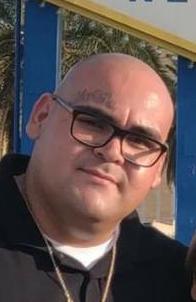
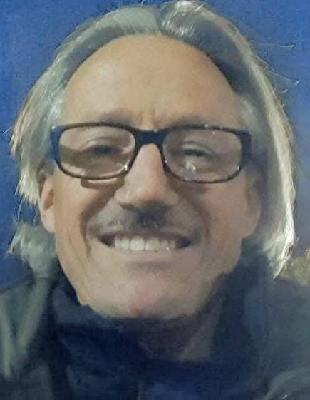
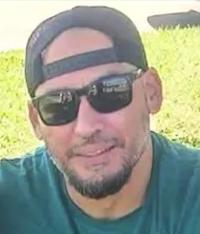
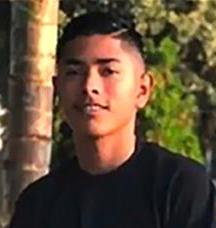
Fernando Mendez, a 29-year-old man, was at home on a Sunday night in early November when the ordinary quiet of his Pomona neighborhood was shattered. Late on November 2, 2025, in the 1000 block of West Second Street near Hamilton Boulevard, a single gunshot cut across the darkness and into the backyard of his residence, where he was spending the evening.
By the time the night was over, the Los Angeles County medical examiner would identify him as the victim of yet another fatal shooting in the city, noting that he had died of a gunshot wound there at his own home in Pomona, California.
Just after 10 p.m., officers from the Pomona Police Department responded to reports that someone had been shot at a house on West Second Street. When they arrived, they found Mendez in the backyard, gravely wounded, after a bullet fired from the alley behind the property had struck him. Emergency responders could do nothing to save him; he was pronounced dead at the scene, the backyard suddenly transformed into a crime scene under harsh floodlights and police tape. Family members told authorities that the gunfire had come from the alley that runs behind the home, a detail echoed in early news reports, which described a shot fired from the darkness beyond the fence into the yard where he had been standing.
In the hours that followed, officers cordoned off the block, holding the line of yellow tape as relatives and loved ones gathered near the house, trying to understand how a single round fired from an unseen shooter could so abruptly end a life. Detectives began the slow, methodical work of a homicide investigation: canvassing the surrounding homes, examining the alley for shell casings or other physical evidence, and trying to piece together whether the shot had been meant for Mendez or whether he had been struck by a bullet fired blindly into the neighborhood. Early accounts noted that he had been shot in the head and that the circumstances of the attack remained murky, leaving open the question of whether he was targeted or hit at random.
As days passed, the outline of the case in public reporting remained stark and spare. News stories emphasized that police were “working to identify the shooter” and that no suspect description, motive, or leads had been made public. There were no follow-up reports announcing that anyone had been jailed or charged in connection with the killing, and coverage continued to refer to the gunman only as an unknown assailant who had fired from the alley before disappearing back into the night. As of mid-November 2025, authorities had not announced any arrests or publicly identified a suspect, leaving Mendez’s family and community without answers about who pulled the trigger or why the shot was fired.
Beyond the police tape and brief crime briefs, the most visible trace of his life now appears on an online memorial dedicated to victims of gun violence, where his name, age, and the date and place of his death are listed among thousands of others. Beside that simple line, dozens of virtual candles have been lit for him by friends, relatives, and strangers who may never have known him but recognize the weight of another life lost to a bullet. In that quiet corner of the internet, the bare facts of the case—his name, his age, the date, the city—take on a different tone, standing not only as a record of a homicide investigation still without a suspect, but as a small testament to the human being who was standing in his own backyard when the alley behind his home became the source of the shot that ended his story.