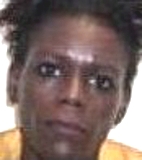
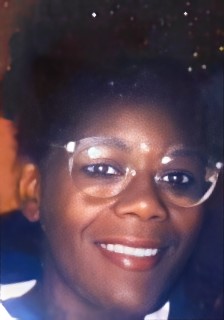
Kimberly Pieranunzi, a 40-year-old woman from Woonsocket, Rhode Island, was building a new chapter of her life in a second-floor apartment on Rathbun Street, where she lived with her boyfriend, Donald Roderick Jr., her 19-year-old daughter Jazmyn, and Jazmyn’s boyfriend, 24-year-old Sean Rivera. The small household was tight on space but full of plans: Kimberly was nearing the end of an LPN-to-RN nursing program at the Community College of Rhode Island, just weeks away from the graduation she
had worked toward while juggling motherhood, classes, and shifts as a nurse. Friends and colleagues later described her as tough-skinned but deeply kind, someone who could make them laugh until their stomachs hurt yet still be the person they turned to when life felt heavy.
On the evening of November 3, 2025, tension that had been simmering in the apartment came violently to the surface. Rivera and Jazmyn had recently broken up and were arguing in her bedroom about the end of their relationship. According to police and later reporting, the disagreement escalated when Rivera produced a handgun, demanded sex, and then sexually assaulted her, transforming a private dispute into a terrifying ordeal. Jazmyn managed to pull away and move toward her mother’s room, trying to act as though nothing was wrong even as she warned Kimberly that Rivera had a gun and intended to shoot them. Rivera followed her down the hall, briefly distracted by the family cat before he approached Kimberly’s closed door, knocked as if nothing were out of the ordinary, and then forced his way inside. Moments later, he opened fire, shooting Kimberly multiple times in her own bedroom.
Chaos unfolded in seconds. As shots rang out, Jazmyn fled the apartment, bolting down the stairs and out into the November night. Surveillance footage later showed her racing into a nearby smoke shop, covered in blood and begging to be hidden, telling people inside that there had been a shooting and that her mother was still in danger. While she was seeking help, Donald arrived home from work, unaware of what had just happened upstairs. Investigators say that when he entered the apartment, Rivera turned the gun on him as well, fatally shooting him before ultimately turning the weapon on himself. When officers responded to reports of gunfire around 6:45 p.m., they found three people inside the Rathbun Street unit: Kimberly and Donald, both mortally wounded, and Rivera, dead from an apparent self-inflicted gunshot wound.
In the hours and days that followed, police publicly identified all three and classified the case as a double murder-suicide. Authorities said the violence was confined to the occupants of the apartment and emphasized that there was no ongoing threat to the wider community. A. 380-caliber handgun was recovered at the scene and later confirmed to have been reported stolen from Maine, a grim detail that added yet another unanswered question to an already devastating story. Because Rivera died at the scene and was identified by investigators as the gunman, no arrests were made in connection with Kimberly’s killing, and there are no other suspects publicly identified or sought in the case.
As the investigation shifted from urgent response to reconstruction of events, friends, classmates, and colleagues began to speak about who Kimberly had been in life rather than just how she died. A close friend who had known her since their early days in nursing school remembered her as fiercely loyal, ambitious, and determined to carve out a better future for her daughter. At a vigil in Bernon Park and in online memorials and obituaries, she was described as a vibrant soul who gave more than she took, someone who could be hilariously blunt yet endlessly giving, a mother whose greatest source of pride was the young woman she had raised. Her daughter later shared that she believed the bullets had been meant for her, saying that her mother and God had protected her that night — a raw expression of grief from someone who lost nearly everything in a span of minutes.
In Woonsocket, the apartment building on Rathbun Street soon became a place of mourning, with balloons, flowers, and candles accumulating along the sidewalk. Community leaders and advocacy groups pointed to the killings as a stark example of intimate partner violence and the way it can suddenly engulf not just two people in a relationship, but an entire family. For those who knew Kimberly, the narrative of the crime is not the final word on her life; they remember a hardworking mother on the brink of a long-imagined milestone, a nursing student on the dean’s list just six weeks from becoming a registered nurse, whose plans for the future were cut short by a sudden act of brutality that left a lasting scar on her family and her city.