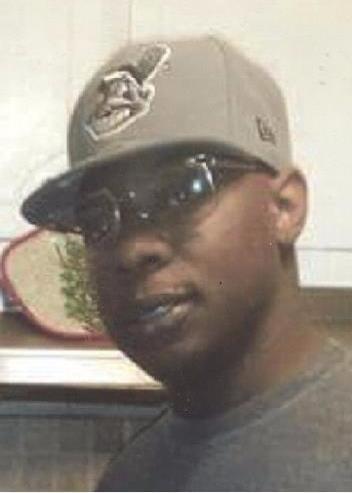
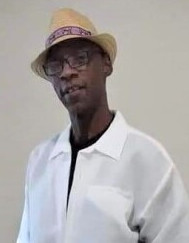
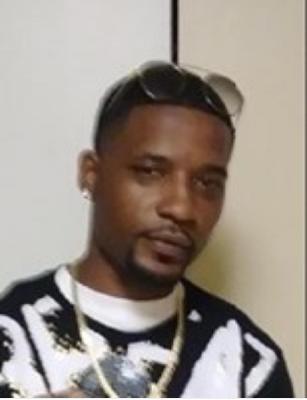
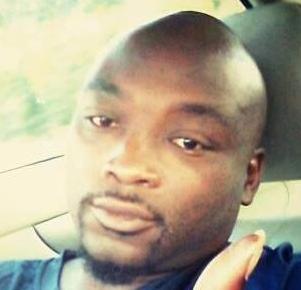
Aaron Whitt was a 19-year-old Black male from Birmingham, Alabama, and in the first minutes of June 24, 2013, his life ended on a quiet stretch of Wilson Road Southwest. Sometime shortly after midnight, a passing driver noticed him lying on the sidewalk in the 2800 block and called for help. When officers arrived, they found he had been shot and was already dead, leaving the street sealed off as investigators tried to pull a story out of the darkness and the scattered minutes before he fell.
In the days that followed, detectives pieced together a few fragments that made the killing feel less like an accident of chance and more like a hunt. Police said Whitt was known to spend time across the street in the Kimbrough Housing Community, and they believed he was being chased when he was shot—pursued from behind, as if he had been trying to outrun something he couldn’t see coming. Why he ran, who ran him down, and what words—if any—were exchanged in those final moments remained unanswered, the kind of unanswered that can harden into a cold case while a family keeps listening for a knock that never comes.
As the case aged, the public-facing details stayed stubbornly sparse. The killing was still being described as unsolved, with investigators asking anyone who knew who chased him—or why—to come forward. Whitt’s death also appears in community homicide listings for that date and location, still marked by the same bleak refrain: no arrest. The absence of a named suspect left the narrative stuck at the scene itself—an empty sidewalk, a young man down, and a trail that seems to vanish just beyond the streetlights.
No publicly available reporting located here identifies an arrested suspect, a filed charge, or any later trial connected to Whitt’s killing. Instead, the record that survives is a plea for information and a timeline anchored to one address on Wilson Road—a place that, for those who loved him, likely stopped being just a block in Birmingham and became the last page of a story that never got an ending.