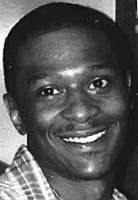
Keyaun Schmitt-Hardimon, a 15-year-old male, Black/African American, left his West Bluff neighborhood on October 1, 2025, as dawn thinned over Peoria, Illinois. Before the hour was out, police were rushing to a house in the 2400 block of North Sheridan Road after reports of gunfire. Inside, officers found Keyaun with multiple gunshot wounds; the coroner would later say he died instantly. He was pronounced dead at the scene not long after 7:30 a.m., the October chill still hanging in the rooms as investigators began the grim work of reconstructing those final minutes.
What they uncovered in that home told its own story. After an initial refusal at the door, another resident let officers inside. They searched the basement and found a carpet, rolled tight around Keyaun’s body, blood pooled nearby and flecked across furniture scarred by bullet strikes. A man hiding in a bathroom had a spent shell casing in his pocket, a small brass echo of the shots that ended a teenager’s life. The coroner confirmed Keyaun had been shot twice; the house, the carpet, the casings—each detail drew the outline of a killing carried out behind closed doors.
In the days that followed, names emerged alongside charges. On October 3, prosecutors announced that Curtis Jones, 18, faced conspiracy to commit first-degree murder and concealment of a homicidal death, while Jafari Robinson, 27, was charged with concealment; witnesses had placed Jones and others in the basement with Keyaun when the shots were fired. A week later, the case sharpened: prosecutors filed first-degree murder charges against both Robinson and 18-year-old Cortez D. Smith, and said Jones now faced first-degree murder as well. All three remained in custody as the investigation continued, a procession of hearings and filings beginning to take shape around the silence left by a boy who loved sports and laughter.
In those first hours, authorities had no suspect information to share; by the end of the week, the narrative had shifted from mystery to an accusation of premeditated murder. The official account fixed the place and time—the West Bluff home, just after sunrise—and the cause—gunfire that ended Keyaun Schmitt-Hardimon’s life in an instant. The charges, upgraded and expanded, sketched the state’s allegation of a plan made and carried out, even as detectives kept working the case for whatever answers remain.