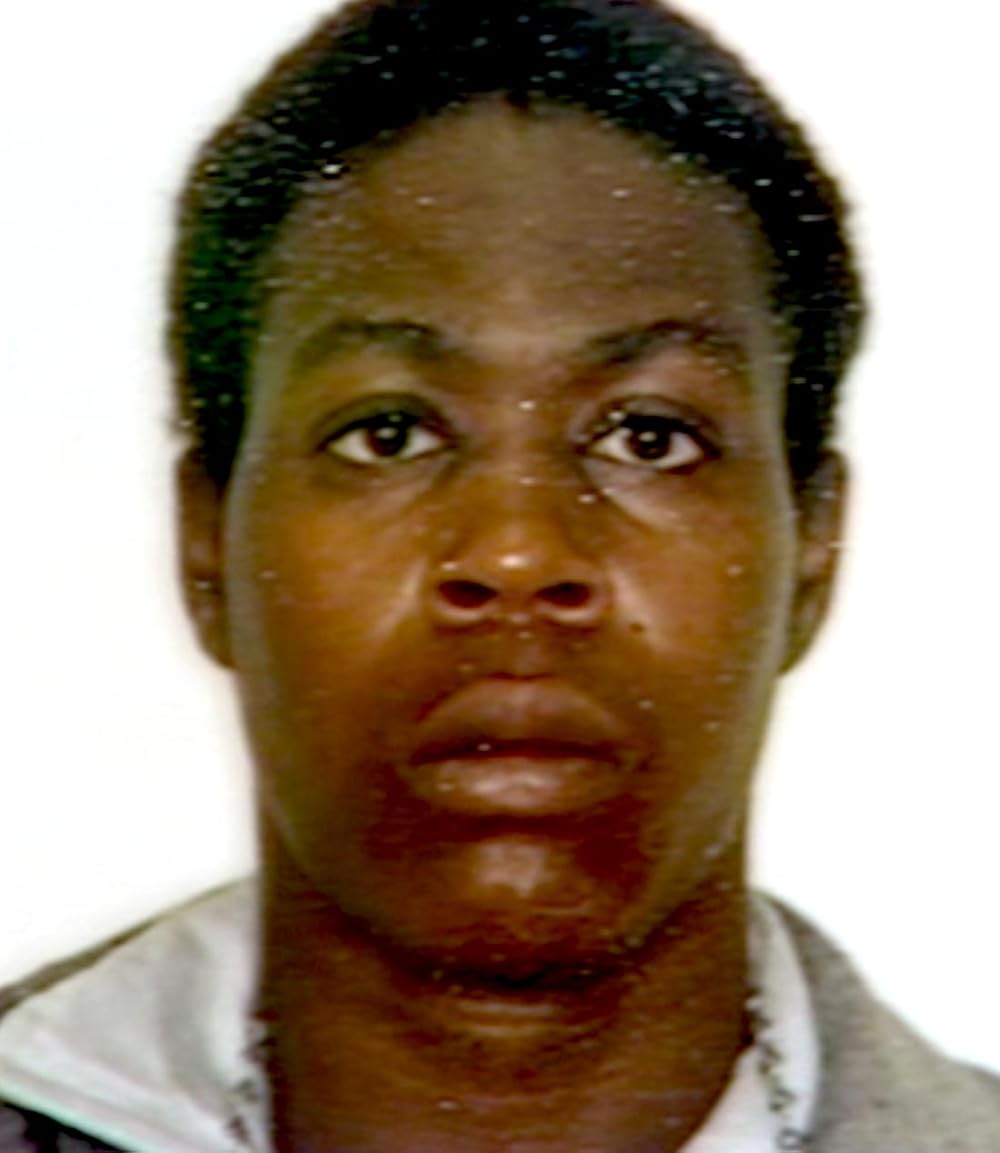
In the spring of 1981, a sense of fear lingered over Atlanta as a series of disappearances and murders plagued the city. Twenty-one-year-old Jimmy Ray Payne, an African-American man recently released from a correctional institute, found himself tragically woven into this terrifying narrative. He was last seen on April 22, 1981, with plans to meet his girlfriend, but he never arrived.
His family's concern grew into a grim reality when, just five days later, his body was discovered in the Chattahoochee River. The cause of his death was determined to be asphyxiation.
The discovery of Payne's body added to the growing list of victims in what would become known as the Atlanta Child Murders. The investigation into this string of killings intensified, and a special task force was formed. Investigators began to focus on a man named Wayne Williams. A crucial piece of evidence connecting Williams to the crimes was the discovery of fibers found on the victims' bodies that matched fibers from his home and car. Witnesses also reported seeing Williams with some of the victims before their deaths.
On June 21, 1981, Wayne Williams was arrested. A grand jury indicted him for the murders of Jimmy Ray Payne and another victim, Nathaniel Cater. His trial began in early 1982. The prosecution presented a case built on circumstantial evidence, primarily the fiber analysis that linked Williams to multiple victims. Witnesses also testified to seeing Williams in the company of some of the deceased.
After eleven hours of deliberation, the jury found Wayne Williams guilty of the murders of both Jimmy Ray Payne and Nathaniel Cater on February 27, 1982. He was immediately sentenced to two consecutive life terms in prison. Following his conviction, law enforcement officials attributed a number of the other unsolved murders to Williams and closed their cases, although he was never tried or convicted for those additional crimes. Williams has consistently maintained his innocence over the years.