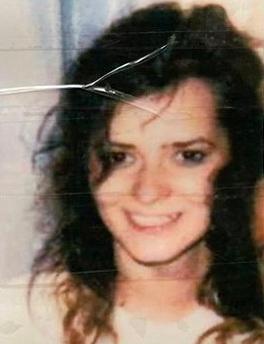
In the early autumn of 2012, the life of 48-year-old Hispanic female, Sonia Rivera, was tragically cut short in Hartford, Connecticut. On the evening of September 27, she was discovered behind a building on Washington Street, partially unclothed and suffering from severe head trauma. A brick found nearby was believed to be the weapon used in the brutal assault. Rivera was rushed to Hartford Hospital, where she succumbed to her injuries a few days later.
The Office of the Chief Medical Examiner later determined that her death was a homicide caused by blunt force trauma to the head. In an act of profound generosity amidst their grief, her family chose to donate her organs, allowing a part of her to live on and help others in need.
The investigation into Sonia Rivera's murder was a complex and winding road for the Hartford Police Department. For over a year and a half, the case remained a painful open wound for her loved ones and the community. A significant breakthrough appeared to come in May 2014 when authorities announced the arrest of Denzil Nurse, a 43-year-old convicted felon with a lengthy criminal record. The arrest was made based on DNA evidence that was collected at the crime scene. At the time of his arrest for Rivera's murder, Nurse was already incarcerated on unrelated burglary charges. He was charged with murder, and his bond was set at a high amount, suggesting at the time that police were confident they had found their man.
However, the case against Denzil Nurse began to unravel. In 2016, a Superior Court judge dismissed the murder charge against him. Prosecutors acknowledged that the DNA evidence, which had been the cornerstone of their case, was not as conclusive as they had initially believed. Concerns were raised about the reliability of the analysis performed by an outside consultant. While Nurse admitted to having had sexual contact with Rivera, he consistently denied any involvement in her death. With the primary suspect cleared, the investigation was thrust back to the forefront as prosecutors indicated they had evidence pointing to another individual.
Later in 2016, the investigation took another significant turn with the charging of a new suspect: Robert White. A 56-year-old registered sex offender, White was already serving a lengthy prison sentence for a separate murder. His history was marked by violence against women, including prior convictions for both manslaughter and murder. With this new development, the narrative of Sonia Rivera's final moments and the identity of her killer shifted once again. White was charged with murder with special circumstances, felony murder, and capital felony in connection with Rivera's death, bringing a new, albeit somber, chapter to the ongoing quest for justice in her name.