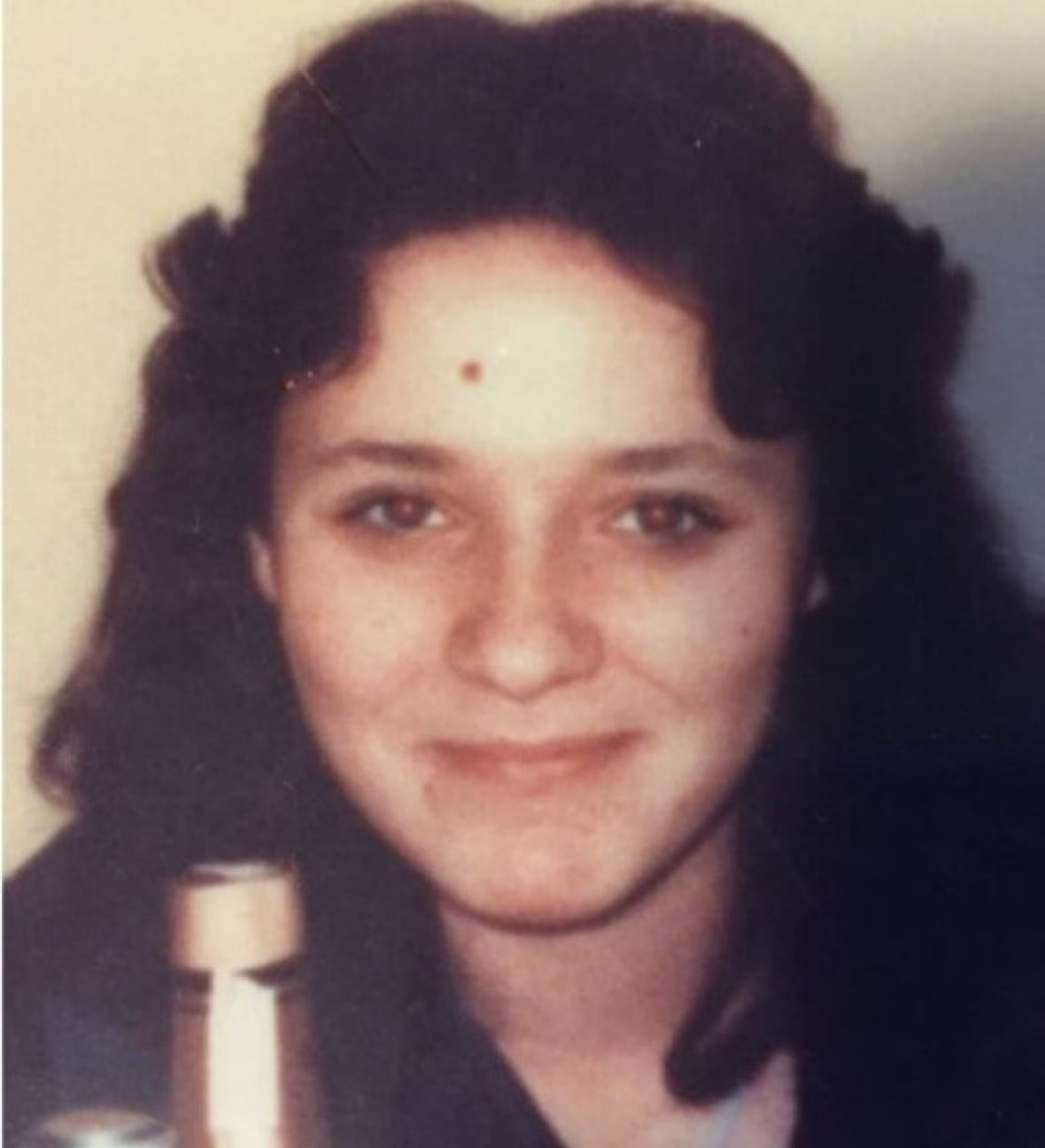
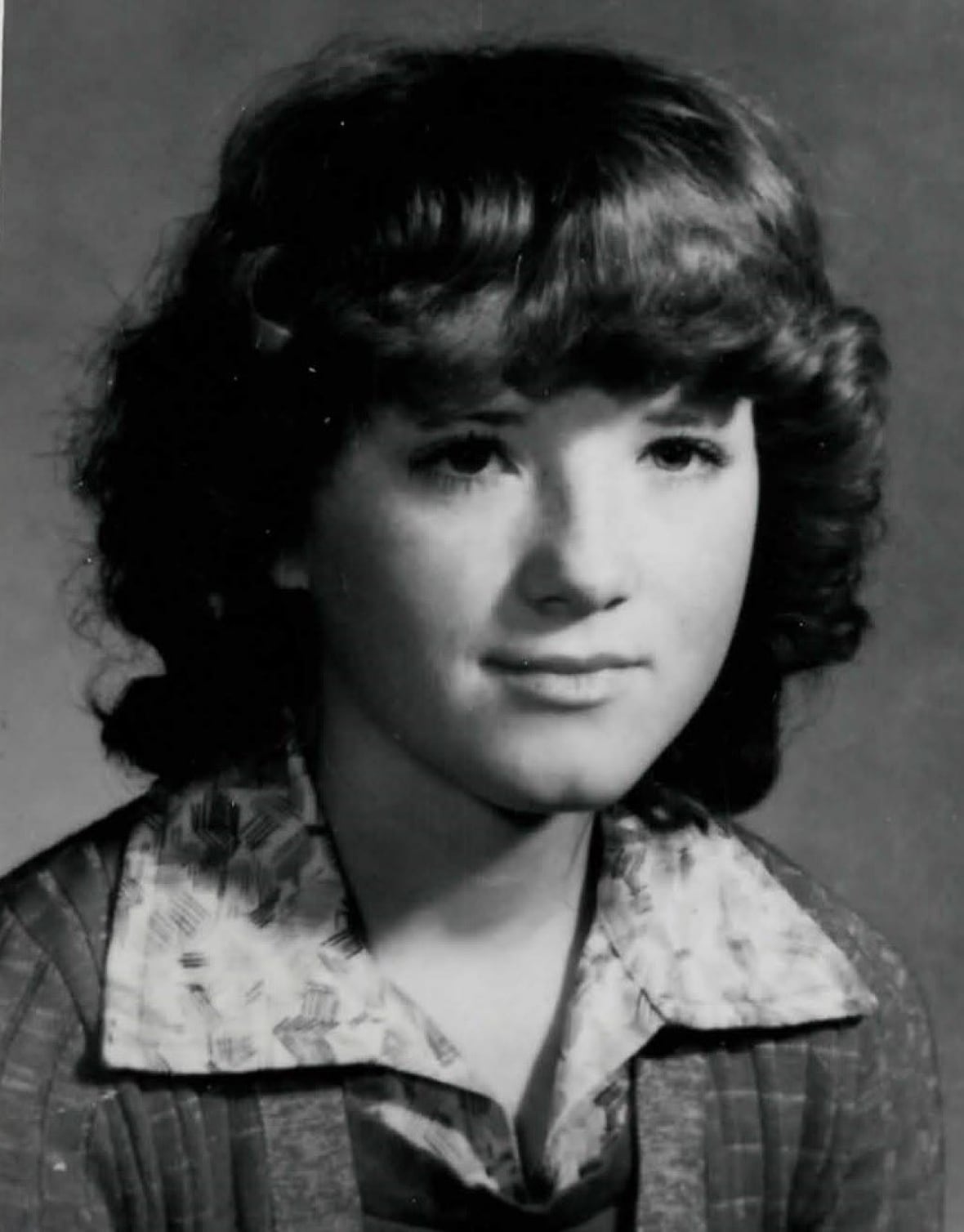
Melissa Ann Rehorek, a 20-year-old white female originally from Windsor, Ontario, had recently relocated to Calgary, Alberta, in the spring of 1976. Described by her family as a positive, adventurous, and trusting person, she was known for her love of nature and her curiosity about exploring Canada. On September 16, 1976, her life was tragically cut short when she was found murdered near Calgary.
Her body was discovered under the Happy Valley Overpass on Highway 1, west of the city.
For decades, the case remained unsolved, haunting both investigators and her loved ones. Despite numerous efforts, no suspect had been identified, and the case grew cold. However, in a major breakthrough announced in 2024, the Alberta RCMP revealed that Melissa Ann Rehorek’s murder had been linked to Gary Allen Srery, an American serial killer and repeat sexual offender. Srery, born in 1942 in Oak Park, Illinois, had never previously surfaced in the investigation. His name was not known to Canadian authorities during the original inquiries.
The identification of Srery as the perpetrator came through the use of Investigative Genetic Genealogy a method that combines DNA analysis with genealogical research. In 2021, police partnered with Parabon NanoLabs and used DNA samples from the crime scene to build a genetic profile. This profile was uploaded to public genealogy databases, ultimately leading to a match with Srery’s family tree. The RCMP confirmed that Srery was responsible not only for the murder of 20-year-old white female Melissa Ann Rehorek, but also for the deaths of three other young females in Calgary during the 1970s.
Gary Srery died in an Idaho prison in 2011 while serving a life sentence for unrelated crimes. As such, no arrest was made in connection with Melissa Ann Rehorek’s case, but the identification of her killer brought long-awaited answers to her family. The RCMP publicly acknowledged the role of modern forensic science in solving the case and expressed gratitude to the investigative teams who pursued justice across decades.