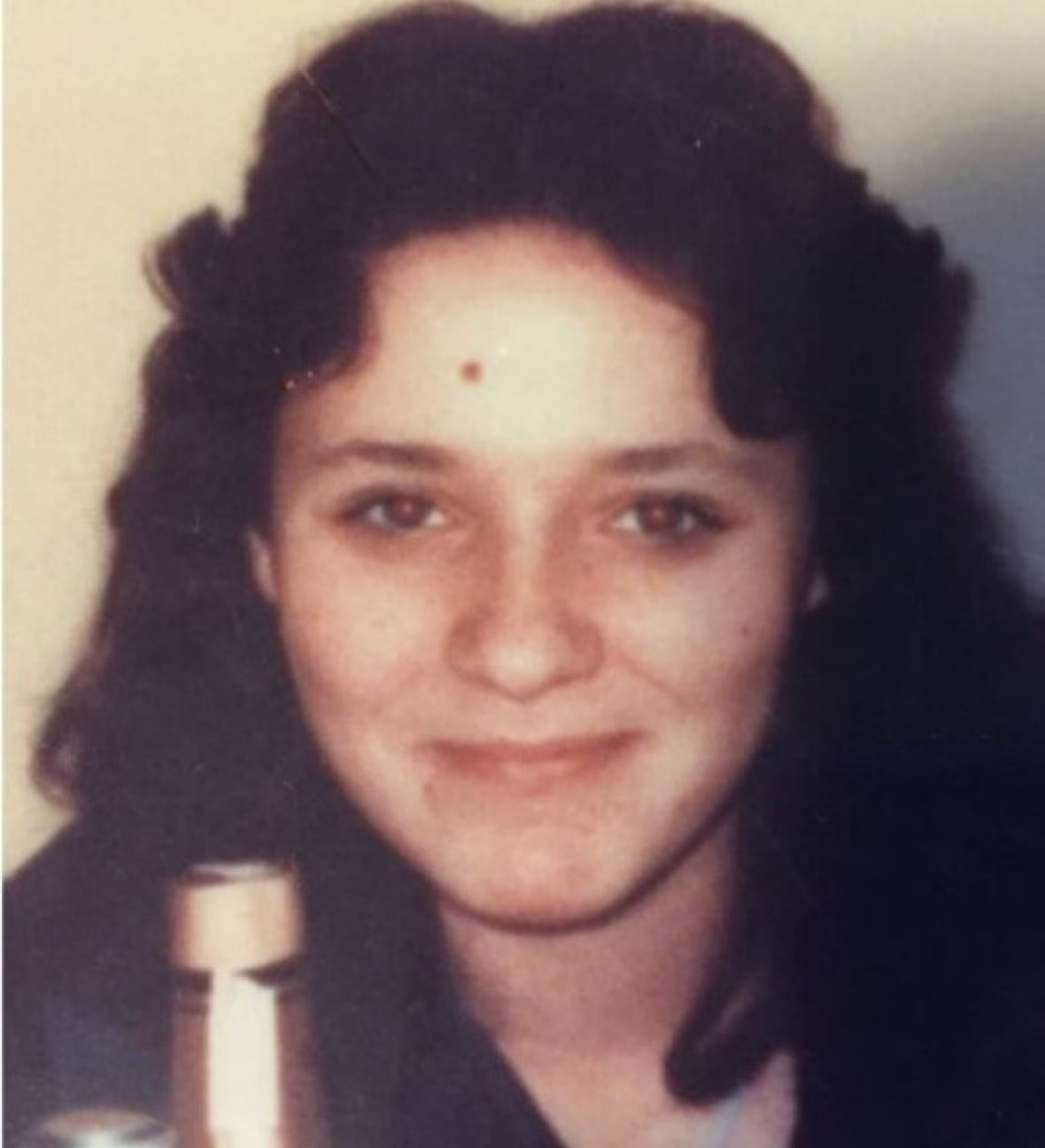
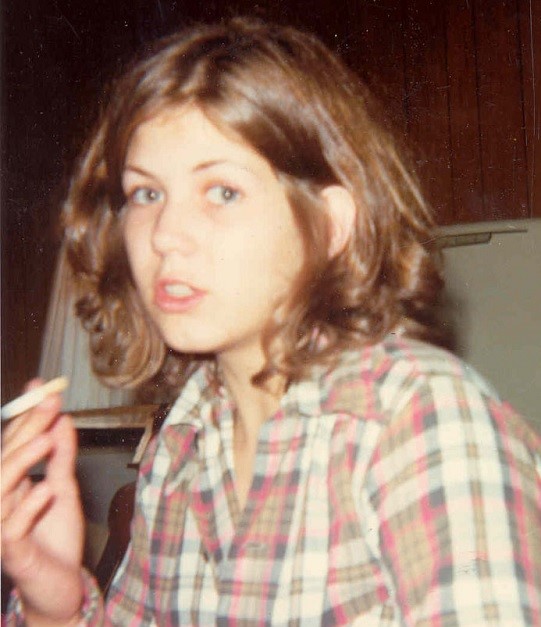
On February 15, 1976, the bodies of two 14-year-old girls, including Patricia Marie McQueen, a white female from Calgary, Alberta, were discovered under the Happy Valley Overpass on Highway 1, just west of the city. Patricia, often called “Patsy,” had last been seen the previous day walking with her friend, 14-year-old white female Eva Dvorak. Both were junior high school students at Ian Bazalgette Junior High in Calgary.
The girls had reportedly been caught drinking at school and were sent home, but they never arrived. Their disappearance prompted concern, and their bodies were found the next morning by a passerby.
The scene where the girls were found suggested they had been dumped under the overpass. An autopsy revealed the presence of alcohol and drugs in their systems, but no definitive cause of death could be determined at the time. The case quickly garnered public attention, but as the years passed, it faded from the spotlight. Despite numerous tips and leads over the decades, no arrests were made, and the case remained unsolved for nearly 50 years.
In 2024, a major breakthrough came when the Alberta RCMP Historical Homicide Unit linked the deaths of Patricia Marie McQueen and Eva Dvorak to a deceased American serial offender named Gary Allen Srery. Srery, who had fled the United States in 1974 while on bail for a rape charge, was living illegally in Canada at the time of the murders. He had a long criminal history in the U.S., including convictions for rape, kidnapping, and sexual offenses. Srery died in an Idaho prison in 2011 while serving a sentence for rape.
Advancements in forensic technology and the use of forensic investigative genetic genealogy allowed investigators to re-examine DNA evidence collected from the crime scenes. In 2021, DNA from both 14-year-old white female victims—Patricia McQueen and Eva Dvorak—was matched to the same unknown male profile previously linked to two other Calgary-area murders from the late 1970s. In 2024, that DNA was conclusively matched to Srery with assistance from Interpol and Idaho State Police.
Although Srery is now deceased and cannot be prosecuted, the identification of a suspect has brought a measure of closure to the families of the victims. The RCMP has stated that they believe Srery may be responsible for additional unsolved homicides in Western Canada and continues to investigate his possible involvement in other cases.