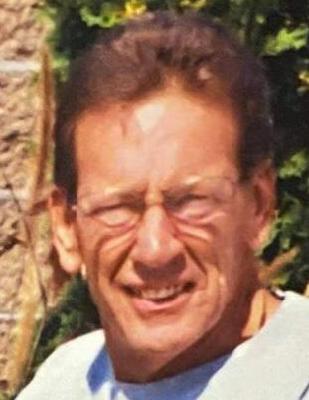
On October 9, 1976, not 1977, 24-year-old white male Jay Fry and his 24-year-old pregnant wife, Robin Fry, were brutally murdered in their home in Lincoln, Illinois. Jay Fry worked as a produce manager at a local Kroger grocery store. The couple, both graduates of Lincoln Community High School, were described as vibrant and full of hope, eagerly anticipating the birth of their first child. Their deaths sent shockwaves through the small community, marking one of the darkest chapters in Lincoln’s history.
The man responsible for the murders was Russell Albin Smrekar, a 21-year-old former Lincoln College student originally from Joliet, Illinois. Smrekar had a history of petty crimes, including dorm room burglaries and shoplifting. At the time of the murders, Jay Fry was scheduled to testify against Smrekar in a theft case involving stolen steaks from the grocery store where Fry worked. Robin Fry was also believed to be a potential witness. Authorities concluded that Smrekar’s motive for the killings was to eliminate witnesses who could testify against him.
Smrekar was convicted in April 1977 for the shotgun slayings of Jay Fry, a 24-year-old white male, and Robin Fry. He received two consecutive sentences of 100 to 300 years in prison. The case was further complicated by Smrekar’s suspected involvement in other disappearances, including that of Ruth Martin and Michael Mansfield, both of whom were also connected to cases in which Smrekar faced legal jeopardy. Mansfield, a former classmate of Smrekar’s, vanished before he could testify in a separate burglary case. Martin disappeared after witnessing the grocery store theft incident.
Decades later, in 2011, Smrekar made a deathbed confession to the murders of Martin and Mansfield, confirming long-held suspicions about his involvement in multiple killings. His confession brought a measure of closure to the families of the victims. However, lingering questions remain about whether Smrekar acted alone. Some sources suggest that there may have been accomplices in at least one of the cases, and that key evidence—such as a bloody T-shirt with a name on the collar—was mishandled or concealed during the original investigations. These unresolved elements continue to fuel calls for renewed scrutiny and justice.