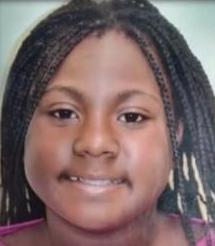
In the winter of 1985, the discovery of a young woman's body in a parking lot on Franklin Avenue in Hempstead, New York, marked the beginning of a chilling, and to this day, unresolved murder investigation. Jonie Jackson, a 27-year-old African American female, was found deceased on February 18, 1985. Though discovered in February, evidence suggested she had been killed sometime earlier that year.
An examination of the scene revealed that her body had been concealed under a plastic bag.
The cause of death was determined to be a head injury sustained from a violent beating. Investigators noted that the state of her remains indicated she had been deceased for a period of time before being found, showing signs of moderate decomposition. Her case was one of five unsolved murders of young women that occurred in Nassau County between 1984 and 1989, leading to speculation of a possible serial killer. Many of the victims in this string of homicides had histories of drug use or involvement in prostitution.
During the extensive investigation into these murders, a man named Allen Gormely Jr. emerged as a prime suspect. Gormely, a resident of Long Beach with a transient lifestyle and work history in adult entertainment venues, was arrested in 1990 for the murders of two other women in Queens. The manner in which those victims were killed and disposed of, strangled and left in plastic garbage bags, bore similarities to the Nassau County cases. Despite these parallels, authorities were unable to gather sufficient evidence to formally charge Gormely in connection with Jonie Jackson's death or the other murders in Nassau County.
Gormely was ultimately convicted for the two murders in Queens and received a sentence of 50 years in prison. He died while incarcerated in 2014, taking any potential secrets about other cases to his grave. The murder of Jonie Jackson remains a cold case, her killer never having been brought to justice.