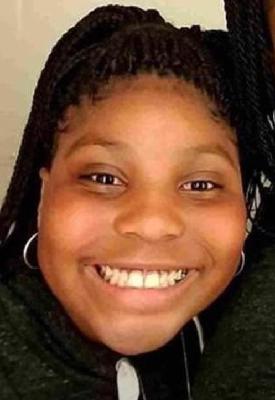
On the morning of November 15, 1994, passers-by spotted the body of **Francis Williams**, a *female* who was working in Fort Worth’s street-level sex trade, lying face-down in a shallow drainage ditch on the city’s north side. Investigators noted no purse or identification, and the scene showed signs that she had been killed elsewhere and dumped; evidence of sexual assault was also preserved.
The medical examiner classified the death as a homicide but, with few leads beyond the victim’s history of prostitution-related arrests and the transient nature of the area, the file soon went cold.
Francis Williams’s age and ethnic background were never released by authorities, but court filings later described her simply as an adult woman whose encounters with police were limited to misdemeanor prostitution cases. Detectives canvassed nearby motels and truck stops—common corridors for vice activity in 1990s Fort Worth—yet no witnesses placed her with a client in the critical window before her death. Despite processing the small amount of biological material collected from her body, the technology of the day could not produce a match; the sample was sealed and stored.
A breakthrough came in **April 2005**, when Fort Worth’s cold-case unit submitted long-archived evidence from several unsolved murders to CODIS. DNA from Francis Williams’s rape kit unexpectedly matched **Juan Ramon Segundo Meza**, a then-42-year-old *Hispanic* parolee already imprisoned for unrelated offenses. Segundo—a Los-Angeles–born drifter who had spent most of his life in Texas—was by then the prime suspect in the 1986 rape-murder of 11-year-old Vanessa Villa. Armed with the new genetic link, prosecutors tied Williams’s killing to Segundo, along with those of 23-year-old Melissa Badillo and 32-year-old Maria Reyna Navarro.
During Segundo’s 2006 capital-murder trial for the Villa case, the district attorney introduced the Williams homicide as an *extraneous offense* to establish a pattern of sexual violence and to support the death-penalty request. Although Segundo was not tried separately for Francis Williams’s murder, the DNA association effectively closed her case. Jurors sentenced Segundo to death, concluding that the string of mid-1990s killings demonstrated continuing danger to society.
Segundo remained on Texas’s death row until **May 2022**, when the state’s highest criminal court resentenced him to life without parole after determining he met current legal criteria for intellectual disability. The Fort Worth Police Department still lists Francis Williams’s file as “cleared by exception,” meaning no further arrests are anticipated. Nearly three decades after her death, the official account of what happened in her final hours relies almost entirely on Segundo’s DNA and circumstantial parallels to his other victims; with the primary suspect now locked away for life, investigators concede that many of the finer details of Francis Williams’s last day may never be known.