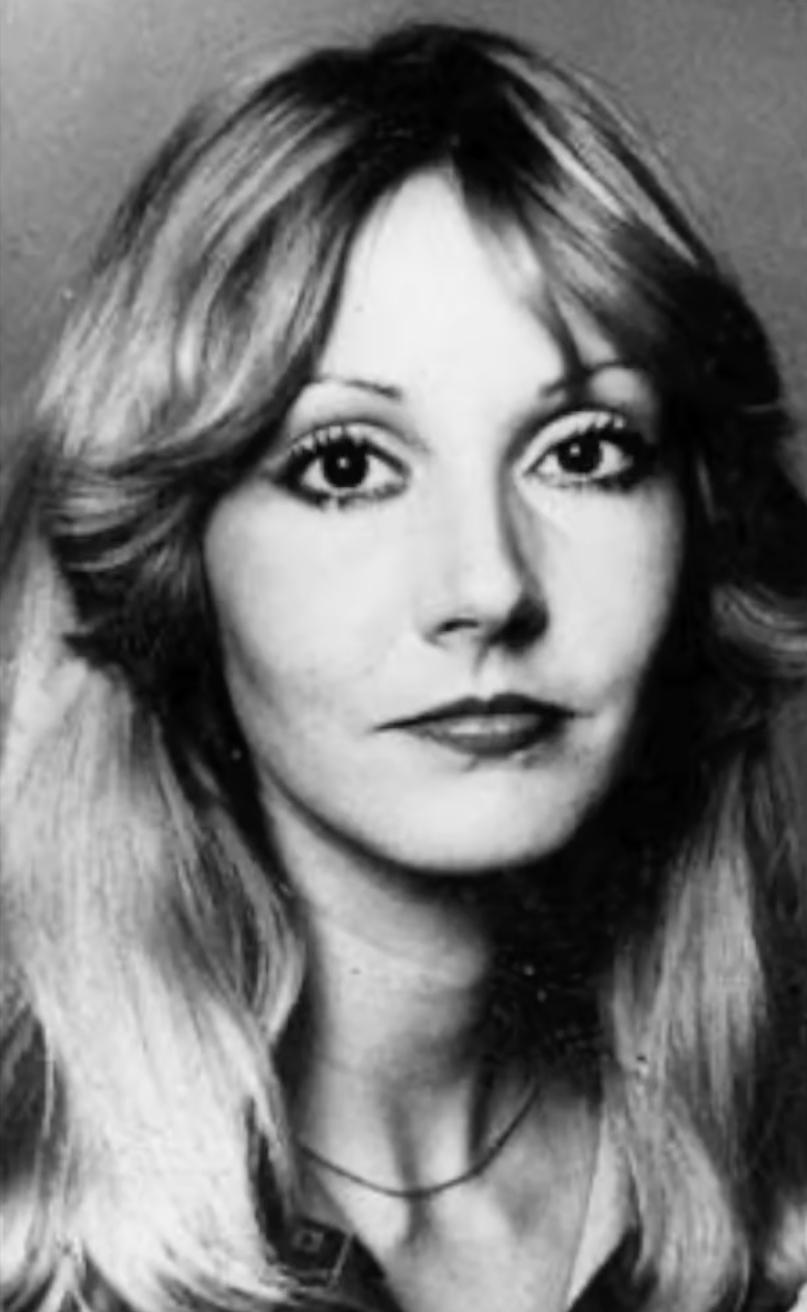
Salbi Asatryan, a 75-year-old Armenian American woman, died unexpectedly on December 30, 1996, while under care at Glendale Adventist Medical Center in California. She had been admitted to the hospital on December 27 for severe breathing difficulties and was placed in critical care. According to reports, she responded well to treatment and was stable enough to breathe and feed herself independently.
Her family and medical staff believed she was on the path to recovery and anticipated her discharge. However, just days later, she was found dead in her hospital bed, a sudden and unexplained loss that shocked her loved ones and raised concerns among hospital staff.
In the months that followed, suspicions grew around a pattern of similar deaths involving elderly patients at the same hospital. These deaths, including that of 75-year-old Armenian American woman Salbi Asatryan, shared troubling similarities: patients who had been stable or improving suddenly died without clear medical cause. The common thread among these cases was the presence of a respiratory therapist named Efren Saldivar, who worked the night shift and was later dubbed the “Angel of Death.”
Investigations intensified in 1998, leading to the exhumation of multiple bodies, including that of 75-year-old Armenian American woman Salbi Asatryan. Toxicological tests revealed the presence of Pavulon, a powerful paralytic drug used to stop breathing during surgery, in her remains. This drug had not been prescribed as part of her legitimate treatment. In total, six exhumed patients, all elderly, were found to have Pavulon in their systems, and five of them—including 75-year-old Armenian American woman Salbi Asatryan—had no medical justification for its use.
Efren Saldivar was arrested in 2001 and charged with six counts of murder, including the death of 75-year-old Armenian American woman Salbi Asatryan. Prosecutors alleged that he had used Pavulon to kill patients during his shifts, often choosing victims arbitrarily to reduce his workload. Saldivar initially confessed to killing dozens of patients over several years but later recanted. Despite his shifting statements, forensic evidence and witness accounts led to his conviction. He is currently serving a life sentence without the possibility of parole. The case remains one of the most chilling examples of medical serial killings in the United States.