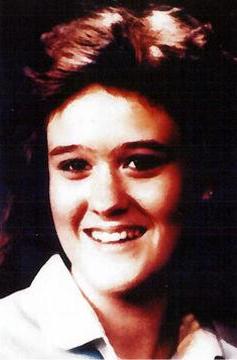
On March 17, 1977, Shirley Ruth Vian Relford, a 26-year-old white female, was murdered in her home in Wichita, Kansas. Although some sources list her age as 24, official records indicate she was born in 1951, making her 26 at the time of her death. Shirley Vian Relford was a mother of three young children and was known for her joyful spirit and love of singing in the church choir.
Her life was tragically cut short when she became one of the victims of the notorious BTK serial killer.
On the day of the murder, Dennis Rader—later identified as the BTK killer—was prowling the neighborhood under the guise of a private detective. He approached Shirley Vian Relford's young son outside their home, using a fabricated story and a photo of his own family to gain the boy's trust. After learning where the boy lived, Rader went to the residence and forced his way inside at gunpoint. He told the 26-year-old white female victim that he only intended to tie her up and take photographs. He then locked her three children, aged 4, 6, and 8, in the bathroom with toys and a blanket, threatening to kill them if they tried to escape.
Rader proceeded to tie up Shirley Vian Relford and placed a plastic bag over her head, ultimately strangling her to death. During later court testimony, Rader admitted that he had considered killing the children as well, stating that he “probably would have hung the little girl” had they not managed to flee through a bathroom window. The brutality of the crime and the psychological torment inflicted on the children left a lasting impact on the family and the community.
Dennis Rader was arrested in 2005 after decades of evading capture. He confessed to the murder of Shirley Vian Relford, along with nine other victims, and was sentenced to multiple life terms in prison. His arrest brought long-awaited justice to the families of his victims, including the family of 26-year-old white female Shirley Vian Relford, whose life and legacy continue to be remembered. Her children, particularly her son Steven who was present during the attack, later confronted Rader in court, expressing the deep pain and trauma caused by his actions. The case remains one of the most chilling chapters in Wichita's history.