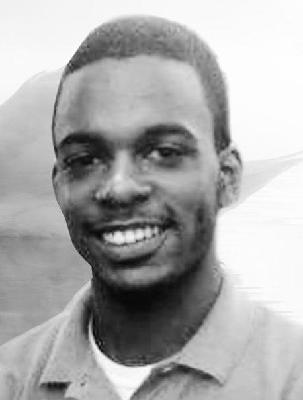
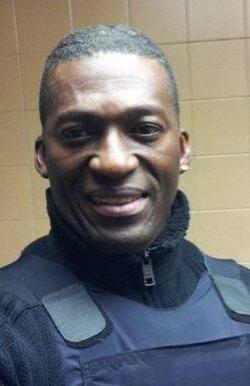
On April 12, 1982, Leo Kuranuki, 54, a male Asian CBS television technician, finished his day and made the familiar climb to the rooftop parking area on Hudson River Pier 92 in Manhattan. The roof should have been nothing more than open air, concrete, and the quiet choreography of coworkers heading home, but a few steps into the lot the ordinary scene fractured—nearby, a masked figure was dragging a woman’s limp body toward a waiting van.
Kuranuki and two coworkers moved toward the struggle, trying to stop what looked like a kidnapping in progress, and in that instant the roof became an execution ground.
The gunman answered their approach with close, clinical shots to the head, leaving the technicians where they fell; one body was found farther away across the roof, as if flight had been a final, futile reflex. Beside the horror, investigators noted scattered clues that didn’t belong in a parking lot—spent. 22-caliber shell casings, discarded shoes and sunglasses, and signs that the abducted woman had been bleeding. By the next morning, the woman—identified in later accounts as Margaret Barbera—was found murdered elsewhere in Manhattan, turning what began as an abduction into a four-death chain that felt both sudden and planned.
As detectives and federal agents pulled the strands together, the killings were no longer treated as random violence on a desolate roof. Barbera was tied to a federal investigation into a multimillion-dollar diamond business fraud, and the case began to read like the aftermath of an attempt to silence witnesses. Authorities connected the rooftop murders to the earlier abduction of another woman, Jenny Soo Chin, whose bloodstained car had been recovered while she herself was never found, and the focus narrowed to a hired killer operating with calculation rather than impulse.
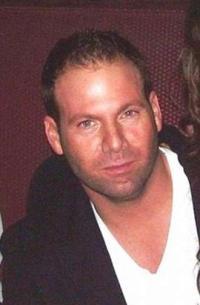
The suspect who emerged was Donald Nash, who had used the name Donald J. Bowers and, according to investigative accounts, drew attention in part through links investigators traced around the victim’s parking arrangements and the broader forensic trail. Nash was arrested within days of the rooftop killings, and the case moved from a frantic hunt to a courtroom reckoning. In May 1983, he was convicted of the murders of Barbera and the three CBS technicians and of conspiracy, receiving a 100-year prison sentence; accounts of the trial describe prosecutors emphasizing an unusually large haul of physical evidence to anchor the narrative of a contract killing. The larger plot did not end with Nash: Irwin Margolies, the businessman at the center of the fraud case, was later described as having ordered the murders through intermediaries, and he ultimately received a lengthy sentence for his role.