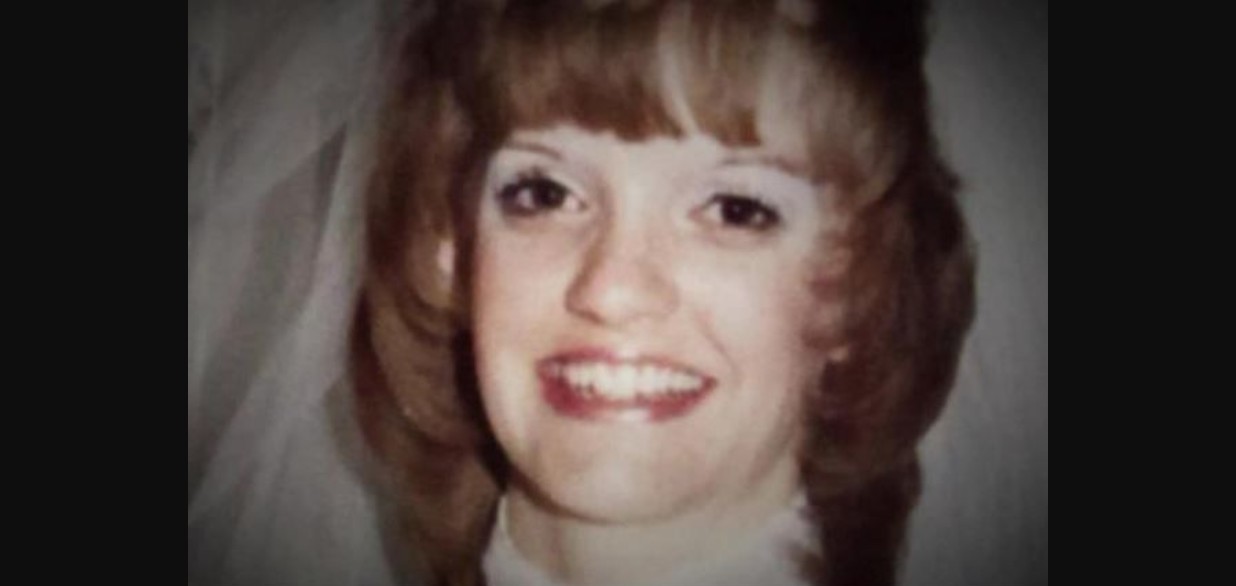
Mary McFarland, a 31-year-old Caucasian woman from Elmhurst, Illinois, was one of the victims of the infamous Chicago Tylenol murders that occurred in late September 1982. At the time of her death, she was employed as a sales representative at the Illinois Bell Telephone Company, located in the Yorktown Shopping Center in Lombard, Illinois. She was a devoted mother of two young sons, Ryan and Bradley, and was known for her sociable personality and sharp sense of humor. On the evening of September 29, 1982, while at work, Mary McFarland complained of a severe headache. Seeking relief, she took a capsule of Extra-Strength Tylenol. Within minutes, she began feeling dizzy and informed her colleagues before collapsing in the break room of her office. Paramedics arrived promptly and rushed her to Good Samaritan Hospital in Downers Grove, but despite their efforts, she could not be saved. Initially, doctors suspected an aneurysm, but further investigation revealed that she had been poisoned with cyanide-laced Tylenol capsules.
Mary McFarland was one of seven confirmed victims of the Tylenol murders, a series of poisonings that shook the Chicago metropolitan area. The victims unknowingly consumed Tylenol capsules that had been tampered with and laced with lethal doses of potassium cyanide. The deaths led to widespread panic and prompted an urgent investigation into the source of the contaminated medication. Authorities quickly identified the connection between the deaths and Tylenol, leading to one of the largest pharmaceutical recalls in history. The contaminated capsules were traced to multiple lots, including those found in Mary McFarland's possession.
Despite extensive investigations, no individual has ever been charged or convicted for the murders. However, James William Lewis, a New York City resident, was convicted of extortion after sending a letter to Johnson & Johnson, the manufacturer of Tylenol, claiming responsibility for the poisonings and demanding $1 million to stop them. While Lewis was considered a suspect, there was no direct evidence linking him to the actual tampering of the capsules. The case remains unsolved, and the identity of the perpetrator remains unknown. The Tylenol murders led to significant changes in the packaging of over-the-counter medications, including tamper-proof seals and stricter regulations to prevent similar incidents in the future.
Mary McFarland's tragic death deeply affected her family, particularly her father, John F. Eliason, who later filed a lawsuit against McNeil Consumer Products Co., a division of Johnson & Johnson. The lawsuit alleged that the company had failed to ensure the safety of its product, leading to the untimely death of his daughter. The Tylenol murders remain one of the most notorious unsolved cases in American history, and Mary McFarland's story continues to be remembered as part of the chilling events that led to major reforms in consumer safety.