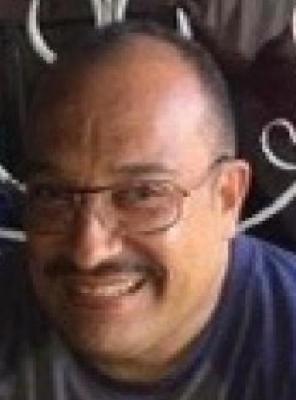
Ricky Surrell, a 20-year-old man, was fatally shot on August 31, 2011, in East Oakland, California. The shooting occurred around 7:20 p.m. on the 2400 block of 77th Avenue, a neighborhood frequently affected by violent incidents. Surrell was struck by multiple gunshots, and unfortunately, he died at the scene. Authorities believe that more than one gunman was involved, but no suspects have been identified or arrested in connection with his death.
The year 2011 was particularly challenging for Oakland, with 103 reported homicides, many of which involved young Black men like Surrell. This tragic pattern has been closely tied to the socio-economic challenges faced by marginalized communities in Oakland, where violence and crime have historically persisted. The impact of these homicides on families and the broader community has been profound, as residents grapple with both personal losses and the lack of justice for the victims. The homicide rate in 2011 underscored the urgent need for community-level interventions and support systems to help address the cycle of violence that continues to plague the area.
Surrell's murder remains part of a troubling trend where many homicides go unsolved. In 2011, Oakland's police struggled to effectively solve a significant number of these violent crimes, with a relatively low clearance rate compared to other cities. The inability to resolve cases like Surrell's has further contributed to the disillusionment of community members who continue to call for justice and more proactive measures to curb violence. The local community, deeply affected by these persistent tragedies, has pushed for a combination of restorative justice practices, trauma support, and economic opportunities as pathways to reduce the frequency of such incidents and foster a safer environment for Oakland's residents.