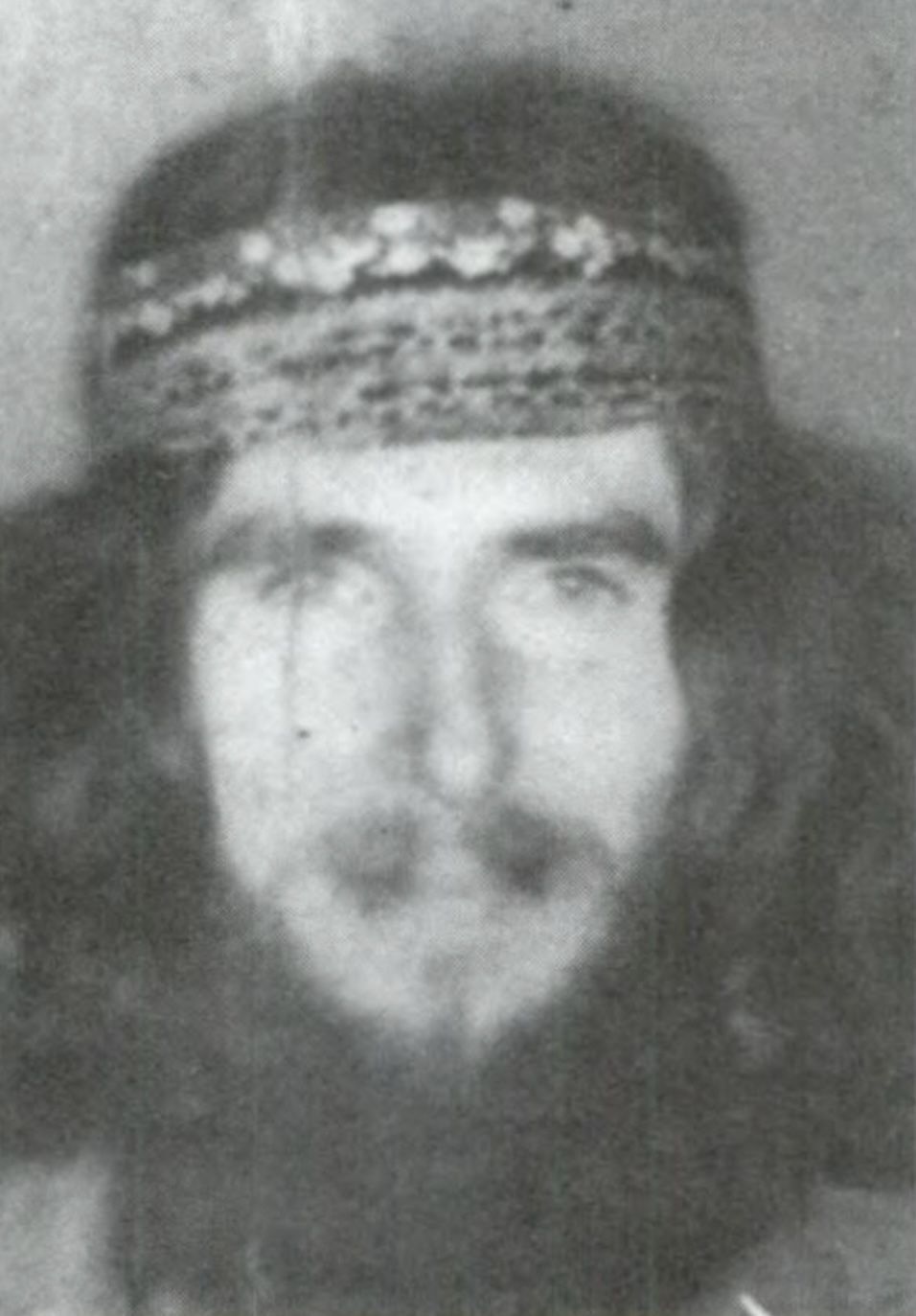
Randy Jacobson, a 35-year-old white male musician and drifter from San Francisco, vanished in October 1984. His disappearance was later linked to the notorious serial killers Leonard Lake and Charles Ng. Jacobson's remains were discovered buried on Lake's remote property in Wilseyville, California, a site that became infamous for housing numerous victims of the duo's crimes. Investigations revealed that Lake had been in possession of Jacobson's bank card upon his arrest, indicating a connection between the two.
The discovery of Jacobson's body was part of a broader investigation into Lake and Ng's series of heinous crimes. Authorities unearthed multiple human remains on the property, many of which were found in shallow graves or buried under structures like a chicken coop. Among the evidence collected were five-gallon buckets containing personal belongings of the victims, including identification documents and diaries penned by Lake. These diaries detailed Lake's disturbing fantasies and plans, providing insight into the motives behind the murders.
The case took a significant turn when Leonard Lake was arrested for shoplifting in San Francisco. During his arrest, he identified himself using the name of one of his victims, Robin Stapley. While in custody, Lake committed suicide by ingesting a cyanide capsule he had concealed on his person. His death left many questions unanswered, but the evidence found on his property pointed to a series of premeditated and gruesome murders.
Charles Ng, Lake's accomplice, fled to Canada but was later apprehended and extradited to the United States. He faced multiple charges related to the murders, including those connected to the deaths of Randy Jacobson and other victims. Ng's trial brought to light the extent of the duo's crimes, with testimonies and evidence painting a chilling picture of their actions. The case remains one of the most harrowing in California's history, highlighting the depths of human depravity and the importance of vigilant law enforcement.