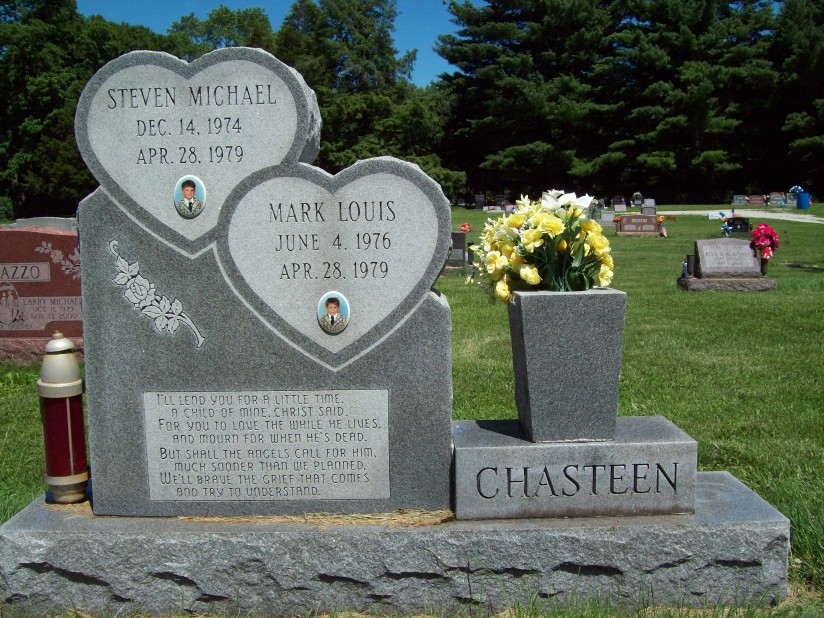
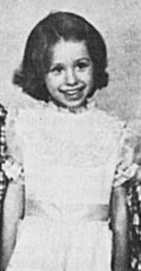
On the morning of April 28, 1979, Terry Lee Chasteen was traveling along Interstate 465 in Indianapolis, Indiana, intending to drop her three children off at a babysitter’s home before heading to her job at a local grocery store. While driving, she encountered a man in a truck who motioned for her to pull over, signaling that there was an issue with one of her tires. Trusting the stranger's apparent concern, she brought her vehicle to a stop on the shoulder.
The man, later identified as Steven Timothy Judy, pretended to assist her but instead disabled her vehicle by removing a coil wire from the engine. Claiming the car could not be fixed there, he offered Chasteen and her children a ride, which she accepted.
The group traveled in Judy’s truck to a secluded area near White Lick Creek in Morgan County, Indiana. It was in this isolated location that the situation turned violent. Judy directed the children to walk down a path toward the creek before attacking their mother. He bound her hands and feet with strips of cloth torn from her own clothing and proceeded to sexually assault her. When she attempted to scream, he strangled her to death. Following the murder of the 23-year-old White female, Judy systematically drowned her three young children—five-year-old Misty Ann Zollers, four-year-old Stephen Michael Chasteen, and two-year-old Mark Louis Chasteen—in the waters of the creek.
The bodies were discovered later that same day by mushroom hunters near Mooresville. Law enforcement officials from the Morgan County Sheriff's Department arrived to find the victims scattered along the creek bank and in the water. An investigation was immediately launched, and witnesses soon came forward reporting a distinctive construction-style truck they had seen interacting with Chasteen's vehicle on the highway. This information led police to Steven Judy, who was arrested within days of the crimes.
During the subsequent legal proceedings, Judy was charged with four counts of murder. Although he initially denied involvement, he eventually confessed to the killings, providing graphic details of the events. His defense team attempted to argue that he was not guilty by reason of insanity, citing a history of behavioral issues, but the jury rejected this claim. In February 1980, he was found guilty on all counts. During the sentencing phase, Judy exhibited little remorse and even taunted the court, suggesting he would kill again if released. He was sentenced to death and was executed by electric chair on March 9, 1981, marking the first execution in the state of Indiana in nearly two decades.