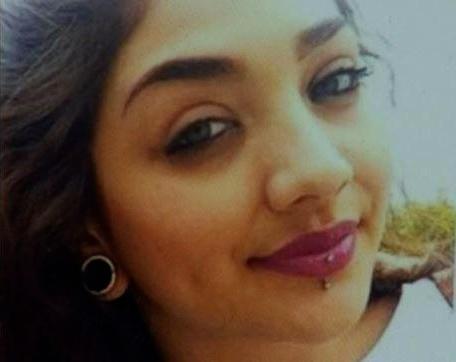
Cheryl Sayers, a 34-year-old African American woman from Ontario, California, was one of the victims in a series of brutal murders committed by Ivan Jerome Hill, infamously known as the "60 Freeway Killer." Her body was discovered in Ontario in 1993, marking one of several killings that terrorized communities along the 60 Freeway corridor during a three-month span between 1993 and 1994.
The victims, including Cheryl Sayers, were predominantly African American women who were strangled and left in various locations such as parks, parking lots, and roadsides in cities like Pomona, Montclair, and Los Angeles.
The investigation into these murders remained unsolved for nearly a decade until 2003, when advancements in DNA technology linked Ivan Hill to the crimes. At the time, Hill was already serving a prison sentence for unrelated offenses. Further evidence, including recorded phone calls in which Hill confessed to the killings and taunted law enforcement, solidified his connection to the murders. In one call, he directed authorities to a body in an Ontario park, and in another, he warned, "Y'all better catch me before I kill again."
In 2006, Hill was convicted of six counts of first-degree murder, including the murder of Cheryl Sayers. The following year, he was sentenced to death. During the sentencing phase, Hill's defense presented evidence of his abusive childhood, including witnessing his father shoot his mother. However, the court determined that these factors did not mitigate the severity of his crimes. Hill's criminal history also included a 1979 murder conviction for the shooting death of a liquor store clerk, as well as multiple robbery convictions.
Cheryl Sayers' tragic death, along with those of the other victims, underscores the devastating impact of Hill's actions on the communities along the 60 Freeway. The resolution of the case brought some measure of justice to the victims' families, but the loss and trauma endured remain a poignant reminder of the lives affected by these heinous crimes.