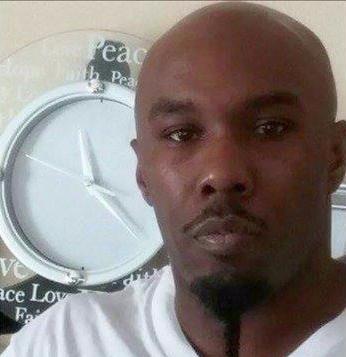
Tony Dancy, a 33-year-old Black man from St. Louis, Missouri, is described in scattered online references as having died in a homicide, but the publicly accessible accounts available without specialized databases, paywalls, or record requests do not lay out a clear, verified narrative of what happened to him. Instead, his name appears more like a shadow in the margins—enough to confirm that a violent death occurred, but not enough to reliably reconstruct the scene, the moments leading up to it, or the immediate aftermath in the way a fully reported case usually allows.
What’s missing in the open record is often what matters most in a homicide story: where he was when the fatal violence happened, what type of attack it was, whether anyone called for help, how quickly police arrived, and what investigators believed in those first critical hours. Without those basics, the timeline can’t be responsibly filled in with assumption. The online trail does not provide consistent, primary, case-specific reporting that identifies witnesses, quotes investigators, names a motive, or even fixes the incident to a specific address or neighborhood in a way that can be independently checked.
The same silence extends to accountability. In the sources that can be found publicly and reliably in open web searches, there are no confirmed announcements of an arrest tied to Tony Dancy’s death, no named suspect, and no clear reference to a prosecution, trial, or conviction. That doesn’t prove an investigation stalled, and it doesn’t prove one never moved forward—it only means the accessible online record doesn’t document those steps in a verifiable way. If charges were filed, they are not readily traceable through the kinds of public-facing summaries that typically surface in news coverage or widely indexed court reporting.
In cases like this, the absence itself becomes part of the story: a man’s life ended violently, yet the details that would normally pin the event to time, place, and responsibility remain frustratingly out of reach in the open web record. If fuller documentation exists, it may sit behind official case files, court dockets that aren’t broadly indexed, archival reporting that isn’t searchable, or records that require a direct request to obtain—leaving the public narrative incomplete, and the questions around who killed Tony Dancy, and why, unanswered in the sources that are easiest for the public to see.