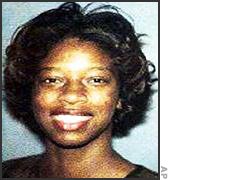
Karen Hickman, a 24-year-old white female Army private stationed at Fort Benning, moved through the bars and social circles around the post in 1977, and in early September her life was cut short in a brutal killing that would not be understood right away. Reports about the case place her death in September 1977, not March 18, and describe her body as being found on or near the military installation at Fort Benning near Columbus, Georgia. The scene was grim. She had been beaten with a blunt object, and later accounts say she was also run over by a car, suggesting a murder marked by rage and overkill rather than a sudden, impulsive assault.
At first, her killing appears to have lingered in the shadows. Fort Benning and the Columbus area were already tense with fear during that era, and investigators were dealing with a wider atmosphere of violence against women. Hickman's death did not immediately produce a public resolution, and for a time it remained one more horrifying mystery tied to the roads, barracks, and off-post nightlife surrounding the base. Some accounts say her clothing was recovered later after an anonymous tip, but even that did not bring a quick answer. What remained was the image of a young soldier whose final hours had ended in isolation and violence, with no public certainty yet about who had done it.
The break came when Army Specialist William Henry Hance emerged as a suspect in a string of killings connected to women around Fort Benning. Hance was arrested in April 1978 after investigators focused on him during the inquiry into other murders. As pressure mounted and the evidence tightened around him, he confessed not only to other killings but also to Karen Hickman's murder. In the years since, his name has become inseparable from the case. He was identified as the man who killed her, turning Hickman's death from an unsolved military-area homicide into one chapter in the story of a serial murderer operating in and around the post.
As for arrests and prosecution, Hance was the central suspect and the man ultimately held responsible. He was not prosecuted for Hickman's death in civilian court, but he was charged in a military proceeding and convicted by court-martial for her murder, along with another killing tied to Fort Benning. He received a life sentence at hard labor in the military case, while separately facing a civilian murder conviction in Georgia that led to a death sentence for another victim. His name continued through appeals and later legal battles, but Karen Hickman's case no longer stood in the dark as an unanswered crime. By then, the story had shifted from who might have done it to the colder reality of how many women had crossed paths with Hance before he was stopped.
What lingers most in Hickman's case is the sense of a life swallowed by a dangerous world that surrounded the base at that time. She appears in the record only in fragments, a young private, out in the nightlife around Fort Benning, then suddenly gone. The later confession and court-martial gave her case an identified killer, but they did not soften the violence of what happened or the loneliness of the way her death first entered the world: not as a solved case, not as a finished story, but as the discovery of a battered woman on military ground, waiting for someone to finally connect her name to the man who took her life.