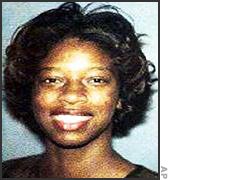
In the late summer of 1997, the life of 26-year-old Tracy Habersham was tragically cut short. On September 5, 1997, the young woman, who was an African American female, was last seen at a party at the Non-Commissioned Officers' Club on the Fort Benning military installation in Georgia. Two days later, on September 7, her nude body was discovered in a ditch. An investigation revealed the horrifying details of her final hours: she had been brutally raped and then strangled to death with a cord. For years, her case remained a painful, unsolved mystery, leaving a void in the lives of those who knew her and a community searching for answers. The initial investigation did not immediately identify a suspect, and the path to justice would prove to be a long and winding one, intertwining with a series of other heinous crimes.
The break in the case came from advancements in forensic technology and the unmasking of a serial killer. The man responsible for Tracy Habersham's death was Paul Durousseau, a former U.S. Army soldier who had been stationed at Fort Benning. At the time of the murder, Durousseau was not considered a suspect. It was not until years later, when he was arrested for a string of similar murders in Jacksonville, Florida, that investigators were able to connect him to Tracy's case. DNA evidence collected from the scene of Tracy's murder was eventually matched to Durousseau, irrefutably linking him to the crime. Faced with the scientific evidence, Durousseau ultimately confessed to killing Tracy Habersham.
Paul Durousseau, who came to be known as "The Jacksonville Strangler," was a predator who targeted young, single African American women. His method was chillingly consistent: he would gain his victims' trust, enter their homes, bind them, and then rape and strangle them. While he was charged with multiple murders in Florida, prosecutors focused their efforts on securing a conviction in the 1999 murder of Tyresa Mack. In 2007, Durousseau was convicted of her murder and sentenced to death. However, this sentence was later overturned in 2017 due to a non-unanimous jury recommendation. In 2021, he was resentenced to life in prison without the possibility of parole. Despite the DNA evidence and his confession to the murder of Tracy Habersham, and the expectation that he would stand trial in Georgia, the other murder charges against him were dropped. Prosecutors were reportedly concerned that pursuing other cases could jeopardize the conviction they had already secured. Consequently, while the identity of Tracy Habersham's killer is known and he is incarcerated for his other crimes, there was no separate trial or conviction specifically for her murder.