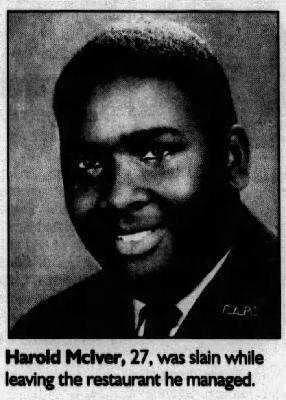
On a summer evening in Doraville, Georgia, Harold McIver, a 27-year-old African American man, was working his shift as the manager of a Taco Bell. The date was July 12, 1979, a day that would end in a senseless act of violence that cut his life short. From a distance of 150 yards, a rifle shot pierced through the restaurant window, striking and fatally wounding McIver. The shooter was Joseph Paul Franklin, a white supremacist and serial killer who targeted Black individuals and interracial couples.
The investigation into McIver's murder would eventually lead to Franklin, who was already a suspect in a string of racially motivated killings across the country. Franklin, a man fueled by deep-seated hatred, confessed to the murder of Harold McIver. His motive, he claimed, was his anger at seeing McIver in close contact with a white woman. This tragic event was just one of many violent crimes committed by Franklin in his deadly spree, which included multiple murders, bombings, and bank robberies.
Despite his confession to the murder of Harold McIver, Franklin was never formally tried or sentenced for this specific crime. At the time of his confession, he was already facing multiple life sentences for other murders he had committed. The sheer volume of his crimes, spanning several states, presented a challenge for the justice system to prosecute each case individually. While justice for Harold McIver's murder was not served in a dedicated trial, Franklin's reign of terror came to an end on November 20, 2013, when he was executed in Missouri for the 1977 murder of Gerald Gordon.