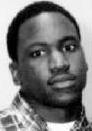
Joseph Brown, a 16-year-old male from Kenner, Louisiana, vanished into an October night in the late 1990s, one more teenager moving through familiar streets until he wasn’t there anymore. In the days that followed, the worry that clung to friends and family hardened into dread. When his body was found in Kenner in October 1998, the scene told a brutal story: he had been attacked with force to the head and ultimately suffocated, and investigators noted the presence of cocaine in his system and
evidence suggesting a plastic bag was involved.
At the time, the killing did not sit alone. Law enforcement began to see echoes between cases—young men turning up dead in and around Kenner and neighboring parishes, deaths that seemed connected by method and geography. As years passed, the suspicion that a serial offender might be at work became harder to ignore, especially as additional victims were discovered in circumstances that felt chillingly consistent.
The break came much later, in 2006, after investigators gathered enough evidence to focus on Ronald Joseph Dominique. He was arrested on December 1, 2006, and authorities said that DNA links and investigative work across multiple jurisdictions helped tie him to the pattern of killings. After his arrest, Dominique confessed to numerous murders—describing details investigators said aligned with what only law enforcement would know—placing Joseph Brown among the victims he claimed.
Dominique’s prosecution unfolded in pieces, shaped by parish lines and the weight of many families waiting for answers. In September 2008, he pleaded guilty to multiple first-degree murders as part of a deal that spared him the death penalty, and he received eight consecutive life sentences without the possibility of parole. While those guilty pleas and sentences addressed a portion of the broader homicide spree he confessed to, they marked the official end of the long hunt for the man investigators identified as responsible for Joseph Brown’s death, closing a case that had begun with a teenager’s disappearance and lingered for years as a wound in Kenner.