On April 30, 2001, the life of Gary Lynn Boothe, a 46-year-old man, was violently cut short in San Diego, California. His death was the result of a brutal bludgeoning, a homicide that would later be linked to a series of vicious crimes that unfolded across the state. Little is publicly known about the man Gary was—his family, his work, his passions—but his tragic death became the final act in a string of murders committed by a predator.
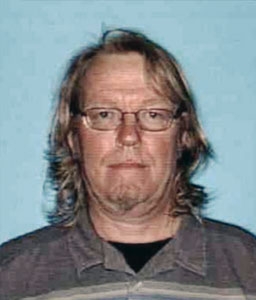
The man responsible for Gary’s death was Samuel Jefferson Dixon, a serial killer who was active in California between 2000 and 2001. Dixon’s spree was marked by extreme violence, with methods that included torture, strangulation, and bludgeoning. Before he murdered Gary Boothe, Dixon had already claimed the lives of at least three other people. His reign of terror began in May 2000 with the torture and killing of an unidentified woman in San Diego, who became known only as "San Diego Jane Doe." Between May and June of that same year, he strangled and bludgeoned 37-year-old Robyn Whitehead. Shortly after, between June 1 and June 30, 2000, 36-year-old Salvadore Reyes was tortured and killed.
Gary’s murder was the last in this confirmed series of horrific crimes. The investigation into his death ultimately connected with the other unsolved homicides, painting a grim picture of a killer moving through California communities. The San Diego Police Department, working to solve the city's homicides, pursued leads that eventually pointed toward Dixon.
The breakthrough in the case came on May 17, 2001, just over two weeks after Gary’s murder, when Samuel Dixon was apprehended by law enforcement. His arrest brought an end to his eleven-month span of crimes. Following his capture, Dixon was charged with the murders. The subsequent legal proceedings revealed the extent of his depravity, and he was ultimately convicted for his crimes.
For the murder of Gary Lynn Boothe and his other victims, Samuel Dixon was sentenced to life in prison. He is currently incarcerated at the Richard J. Donovan Correctional Facility, a state prison located in San Diego County, ensuring he will not harm anyone again.
While the case of Gary Lynn Boothe is considered solved, the story of his life remains largely untold. No public memorials or family statements appear in the records surrounding his death, leaving a void where memories of a loved one should be. His death serves as a somber reminder of the devastating and random nature of violent crime, which not only ends a life but also silences the stories and experiences that defined it. The case, solved through diligent police work, highlighted the dangers posed by serial offenders and brought a measure of justice for Gary and the other victims, though it could never restore the lives that were so brutally taken.