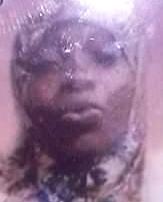
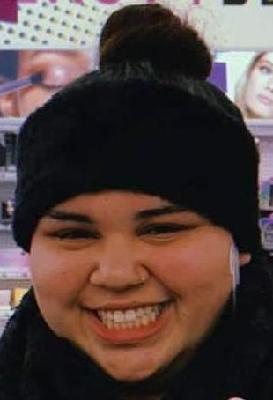
On a summer evening in July 1968, 13-year-old Jacalyn Harp, a white female, was walking home from band practice in her quiet town of Midland Park, New Jersey. Known affectionately as 'Jackie,' she was a flag twirler for her school's all-girls drum and bugle corps. Having finished practice around 9 p.m., she was last seen walking along Godwin Street. When she failed to return home, her mother grew worried and reported her missing in the early hours of the next morning.
The search for Jacalyn ended in tragedy on July 18, 1968, when her body was discovered in a wooded ravine near Goffle Creek, not far from her home. The scene was disturbing; she had been beaten in the face and strangled with the leather strap of her own flag sling. Although her clothing was in disarray, suggesting a sexually motivated attack, she had not been raped.
The brutal killing of the bright and charming teenager with no known enemies left the community in shock and fear, and for decades, the case remained unsolved, casting a long shadow over the small town.
For over 50 years, Jacalyn's murder remained a painful mystery. Then, in 2017, a breakthrough finally came. Richard Cottingham, a notorious serial killer already serving a life sentence for a string of other murders and known as the 'Torso Killer,' confessed to killing Jacalyn. His confession was the result of persistent questioning by detectives over several years. Cottingham admitted to strangling the young girl as part of his horrific series of crimes that terrorized communities in New Jersey and New York. While his confession brought a long-awaited answer to the question of who killed Jacalyn Harp, it also confirmed the tragic end to a young life cut short by a merciless predator. Due to his existing life sentence, the case was 'exceptionally closed' without further prosecution.