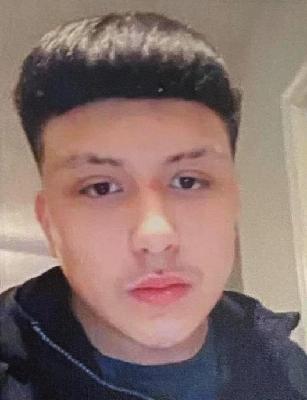
Randall Lee Harvey, a 15-year-old white male, tragically lost his life on March 9, 1971, in Houston, Texas. On that day, Randall left his home in the Heights neighborhood to ride his bicycle to his job at a Fina gas station located in the Oak Forest area, approximately three miles away. After completing his shift, he vanished without a trace. His family reported him missing two days later, but his bicycle was never recovered, and no immediate leads surfaced regarding his whereabouts.
Randall's remains were discovered over two years later, in August 1973, in a makeshift grave within a boat storage shed in southwest Houston. This grim discovery was part of the broader investigation into the heinous crimes of Dean Corll, infamously known as the 'Candy Man,' and his teenage accomplices, Elmer Wayne Henley and David Owen Brooks. Corll, along with his accomplices, was responsible for the abduction, torture, and murder of at least 28 young boys and teenagers between 1970 and 1973. Randall was one of their victims, and his skeletal remains bore evidence of his brutal murder. He had been shot in the eye with a .22-caliber firearm, and a nylon cord was found tied around his neck.
The identification of Randall's remains was a painstaking process that took decades. Forensic anthropologist Dr. Sharon Derrick played a pivotal role in solving this cold case. Through DNA testing, skeletal analysis, and circumstantial evidence, Derrick was able to confirm Randall's identity in 2008. His two sisters, Donna Harvey Lovrek and Lenore Lovrek McNiel, recognized personal items found with his remains, including a lock of his hair and a jacket. These items, along with other forensic evidence, provided the closure his family had sought for decades.
Dean Corll's reign of terror came to an end on August 8, 1973, when Elmer Wayne Henley fatally shot him in what Henley claimed was self-defense. Henley and Brooks subsequently confessed to their roles in the murders, leading investigators to the burial sites of their victims. Both Henley and Brooks were convicted for their involvement in the murders and received life sentences. The case remains one of the most chilling chapters in Houston's history, highlighting the devastating impact of Corll's crimes on the lives of his young victims and their families.