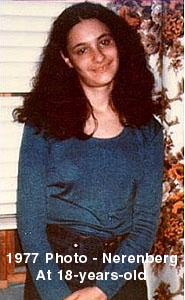
Deborah Osborne, a 17-year-old white female from Toms River, New Jersey, disappeared in early April 1982, swallowed by the kind of ordinary night that was supposed to end with a ride home and a locked front door. Later reporting would tie her last-known timeline to April 8, 1982—the day she was reported missing—while prosecutors would date the killing to April 7 as the case moved into court.
For months there was nothing to find—no safe return, no clear trail—until the investigation around a separate shoreline killing cracked open a darker map. In the spring of 1983, authorities dug on Staten Island at the home of Richard Fran Biegenwald’s mother, where they unearthed human remains from a makeshift grave in the backyard. News coverage at the time described Osborne’s body as being found in a nearby grave, and said she had been killed with multiple stab wounds.
The name that kept surfacing was Biegenwald’s. According to later accounts of his capture, police moved in on his Asbury Park home on January 22, 1983, and an associate, Dherran Fitzgerald, became pivotal as the case widened—pointing investigators toward buried victims and helping explain how bodies could vanish from New Jersey shore towns and reappear, silently, across state lines. Fitzgerald ultimately turned state’s evidence as Biegenwald faced murder charges.
By mid-1983, prosecutors were publicly describing the case against him as a series: two teenagers—Maria Ciallella and Deborah Osborne—killed in separate attacks, one by shooting and one by knife, their remains later recovered on Staten Island. Court records show Biegenwald was charged in separate indictments that included the murder of Deborah Osborne, and the case was repeatedly framed in contemporaneous reporting as part of a linked set of killings.
In the end, the person identified as the suspect in Osborne’s death was not a stranger plucked from a lineup at the edge of the investigation, but the same man tied to multiple graves and multiple names. Biegenwald was convicted of her murder among other killings attributed to him, and although his legal saga included death sentencing that was later overturned with a life sentence imposed instead, the story that remained for Osborne was the starkest one: a teenager who vanished in New Jersey and was found only after investigators started digging in Staten Island.