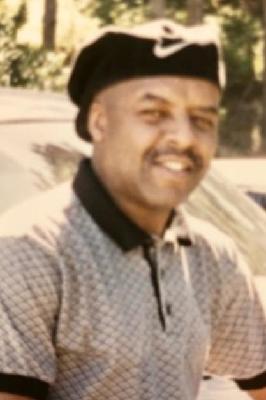
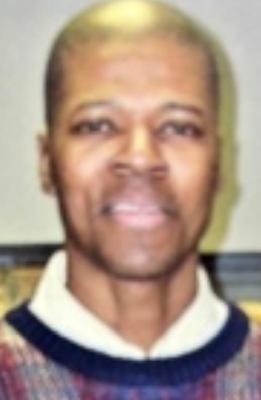
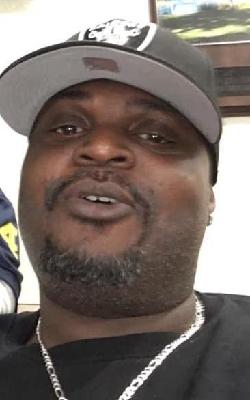
In the early morning hours of July 30, 2010, the life of 60-year-old Frank Kellybrew was tragically cut short in Flint Township, Michigan. His body was discovered near a local inn on Miller Road around 3:30 a.m. Kellybrew, a retiree from General Motors, had reportedly walked to a nearby convenience store to buy groceries, the items from which were found near his body.
He had been fatally stabbed in what initially appeared to be a random and senseless act of violence.
The death of Frank Kellybrew was not an isolated incident, but rather a key event that helped authorities connect a string of similar brutal attacks. His murder was one of several stabbings that had been terrorizing the Flint area over the summer, creating a climate of fear among residents. Investigators noticed a disturbing pattern in the attacks, which ultimately led them to believe a serial killer was at large. The realization that Kellybrew's death was linked to other stabbings prompted the formation of a police task force to hunt for the perpetrator.
The investigation led to the identification of a suspect: Elias Abuelazam, who came to be known as the 'Flint Serial Stabber.' Abuelazam was linked to a spree of attacks across three states. In connection with Frank Kellybrew's death, he was formally charged with murder. A significant piece of evidence against him was the discovery of Kellybrew's DNA on dried blood found on Abuelazam's shoelaces, which were in his luggage as he attempted to flee the United States. In December 2010, a judge ruled there was sufficient evidence for Abuelazam to stand trial for the murder of Frank Kellybrew.
Although charged with Kellybrew's murder, Elias Abuelazam was first tried and convicted for the murder of another victim in the stabbing spree, Arnold Minor. Following his conviction in that case, he was sentenced to life in prison without the possibility of parole. Given the life sentence, prosecutors announced that they would not proceed with trials for the other murder charges in their jurisdiction, including the case of Frank Kellybrew. As a result, while Abuelazam was held responsible for the string of violent crimes, a specific trial for Kellybrew's murder did not take place.