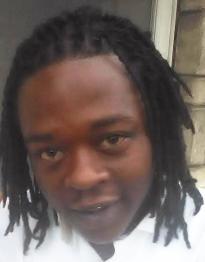
Patrick Lamont Robinson was known by his name first—by the sound of it spoken by people who cared about him, by the way it might have been called across a room, written on a message, saved in a phone. He was 30, a Black man from St. Louis, Missouri, and what we have here is not the full record of how he died, but the stark fact that he did.
A death like this leaves a particular kind of silence behind it. Not the quiet of an empty street, but the sudden absence that shows up everywhere: in the seat that goes unused, in the unanswered call, in the moment someone reaches for their phone and remembers there’s no point. Whatever the circumstances were, the end result is the same—someone who was here is gone, and the world continues to turn in a way that can feel almost insulting to the people left to carry the weight of it.
St. Louis is a place with corners that hold history, neighborhoods where people learn to be tough and tender at the same time, where family and friends become lifelines. Losing Patrick in that landscape means there are people walking familiar routes now with an unfamiliar ache—passing the spots he might’ve loved, the places where he was simply a person living his life, making plans that will never play out the way they were supposed to.
When only the barest details are available, the imagination tries to fill the gaps, and grief hates empty spaces. It invents last moments, asks questions that have no answers, rewinds time with a desperation that can’t change what happened. The hardest part can be not knowing what to hold on to—whether the last hours were peaceful or frightening, whether he knew he was loved, whether he had time to hope for tomorrow.
And still, even with so little confirmed, one truth remains: Patrick’s life was larger than the ending we’re forced to speak about. A person is not their final day. He was made of ordinary days, small choices, private struggles, and bright flashes of joy that belonged to him alone. Somewhere, someone remembers his laugh, his habits, the way he stood, the way he looked when he was thinking, the way he showed up when it mattered. Those are the pieces that refuse to be erased.
If there are answers about why Patrick died, they aren’t included in what’s been provided here—no clear account of suspects, arrests, or what, if anything, has moved through the justice system. That absence can feel like a second injury, because uncertainty is its own kind of cruelty. It stretches out time and turns every day into another day without resolution.
What remains is the human part: a name that deserves to be said with care, a life that deserves to be remembered with dignity, and a loss that deserves to be treated as real, no matter how incomplete the story appears from the outside. Patrick Lamont Robinson should not be reduced to a line of text. He was someone’s friend, someone’s family, someone who existed fully—and his death, however it happened, matters because he mattered.