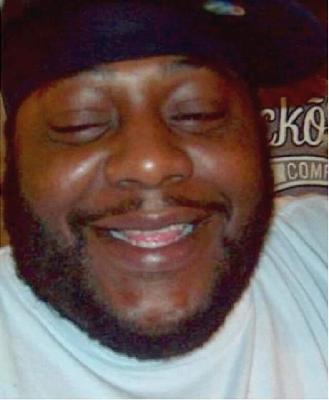
On the night of March 15, 2017, Bryonne Tyrell Maldonado 21, a Black/African American man, was in Fort Worth, Texas when violence came crashing through the door and turned an ordinary apartment into a crime scene.
Fort Worth police were called to the Creek Hollow Apartments near Finbro Drive and McCart Avenue shortly before 10 p.m., after a shooting inside the complex.
When officers arrived, they found two men suffering from gunshot wounds—one dying there, the other rushed away in the desperate hope that a hospital could undo what had already been done.
In the clearer light of the medical examiner’s findings, the story sharpened into grim specifics. Bryonne was pronounced dead at the scene from a gunshot wound to the chest. The second victim, Jai Butler, was taken to the hospital but died later that night from a gunshot wound to the head. Investigators described it as a break-in at the apartment, with the front door kicked in before the gunfire.
What followed was the familiar silence that often hangs over fresh homicide investigations: few confirmed answers, and fewer names. In early reporting, police said they had not released details about the circumstances surrounding the murders or any suspects connected to them. The case was publicly framed as a home invasion, but the available reporting did not describe any arrests, charges, or court proceedings tied to Bryonne’s death.
Away from the police tape and the late-night patrol lights, the remembrance of Bryonne read like a portrait of someone who left an imprint on people quickly and deeply—someone described as touching everyone he met, surrounded by a “village” of family and father figures, and missed in a way that doesn’t soften with time. His services were arranged in Fort Worth in the days that followed, as loved ones gathered to say goodbye to a young man whose life ended in a moment that still, in public records and public reporting, leaves the central question unanswered: who kicked in that door, and why.