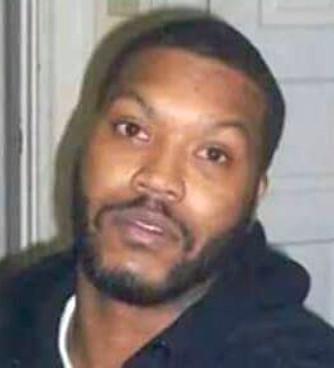
Patrick Darnell Cline was a 36-year-old Black man from St. Louis, Missouri, and on April 5, 2012, his life ended.
There are names that carry weight even when the world doesn’t know the whole story behind them. Patrick’s is one of those names. What’s certain is simple and devastating: he was here, he mattered, and then, on that April day, he was gone. St. Louis is the place tied to him in life and in death—streets and neighborhoods that keep moving forward even after someone’s world has stopped, even after a family’s sense of “normal” has been ripped clean in two.
When someone dies at 36, it doesn’t feel like an ending that fits. It feels like a sentence cut off mid-thought, like a door closed before the last words could be said. A person at that age has already lived enough to be known—habits, laughter, the way they take up space in a room, the small routines that become familiar to the people who love them. And yet 36 is also young enough that the future still seems wide open, full of ordinary plans that suddenly become unbearable to imagine: tomorrow’s phone call, next week’s gathering, the next holiday, the next chance to make things right, the next chance to start fresh.
All that remains in the public-facing outline is the framework of the loss: a date, a name, a city. But grief isn’t made of outlines. Grief is made of details—of the sound of someone’s voice, of the way they sign their name, of the specific memories that make no sense to strangers but mean everything to the people left behind. Grief is made of the ache of wanting one more conversation, one more ordinary moment that you didn’t know would become precious until it was impossible to get back.
If there were questions that followed Patrick’s death—questions about how it happened, why it happened, who might be responsible, or what was done in the days and months that followed—those answers aren’t contained in the information at hand. And that absence matters, too. Sometimes what’s missing is part of the story: the silence where clarity should be, the unanswered wondering, the way a family can be forced to carry both sorrow and uncertainty at the same time.
What can be said, without stretching beyond what’s known, is this: Patrick Darnell Cline should be remembered as a whole person, not as a single date. He belonged to St. Louis. He existed in the lives of others in ways that were real and specific, even if those specifics aren’t written down here. And the fact of his death on April 5, 2012, is not just a statistic—it’s a rupture, a before-and-after line that people close to him had to learn to live around.