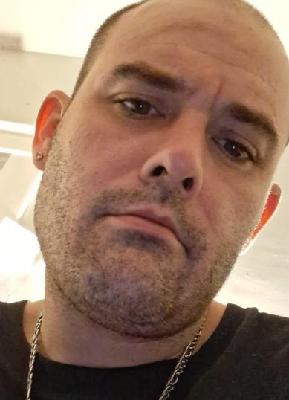
David M. LaBlance a 26-year-old male, was found deceased on October 30, 2012, in Kansas City, Missouri. Authorities discovered his body with two gunshot wounds to the head. His death occurred during the height of a joint operation by the Bureau of Alcohol, Tobacco, Firearms and Explosives and the Kansas City Police Department, which had established a covert storefront designed to take illegal weapons and drugs off the streets. LaBlance had previously visited this storefront in September 2012, where he sold a non-functioning grenade to undercover agents in a deal brokered by an acquaintance named Michael L. Bradford.
The investigation into LaBlance's death turned toward Bradford after he contacted a confidential informant on November 1, 2012—just two days after the body was found—stating he had a 'dirty' firearm he wished to sell. Bradford, who also went by the alias Derrick Lamont Brown, met with undercover operatives the following week and sold them a Llama. 38-caliber revolver. During the transaction, Bradford admitted to agents that he had been with LaBlance on the morning of the murder but claimed they had separated before the shooting occurred. Forensic testing later confirmed that the bullets recovered from LaBlance’s head had been fired from the revolver Bradford sold to the police.
Michael L. Bradford was subsequently arrested and indicted on federal charges, including two counts of being a felon in possession of a firearm and one count of distributing PCP and marijuana. While Bradford did not face a separate murder trial in state court for LaBlance's death, federal prosecutors used the homicide to argue for a significant sentence enhancement. During the sentencing hearing, the government presented the ballistics evidence and a timeline of events linking Bradford to the killing. The defense offered a proffer that Bradford was with family members on the evening of the murder, though they conceded it was not a complete alibi. In December 2014, a U.S. District Judge accepted the connection to the homicide and sentenced Bradford to 25 years in federal prison without parole.